
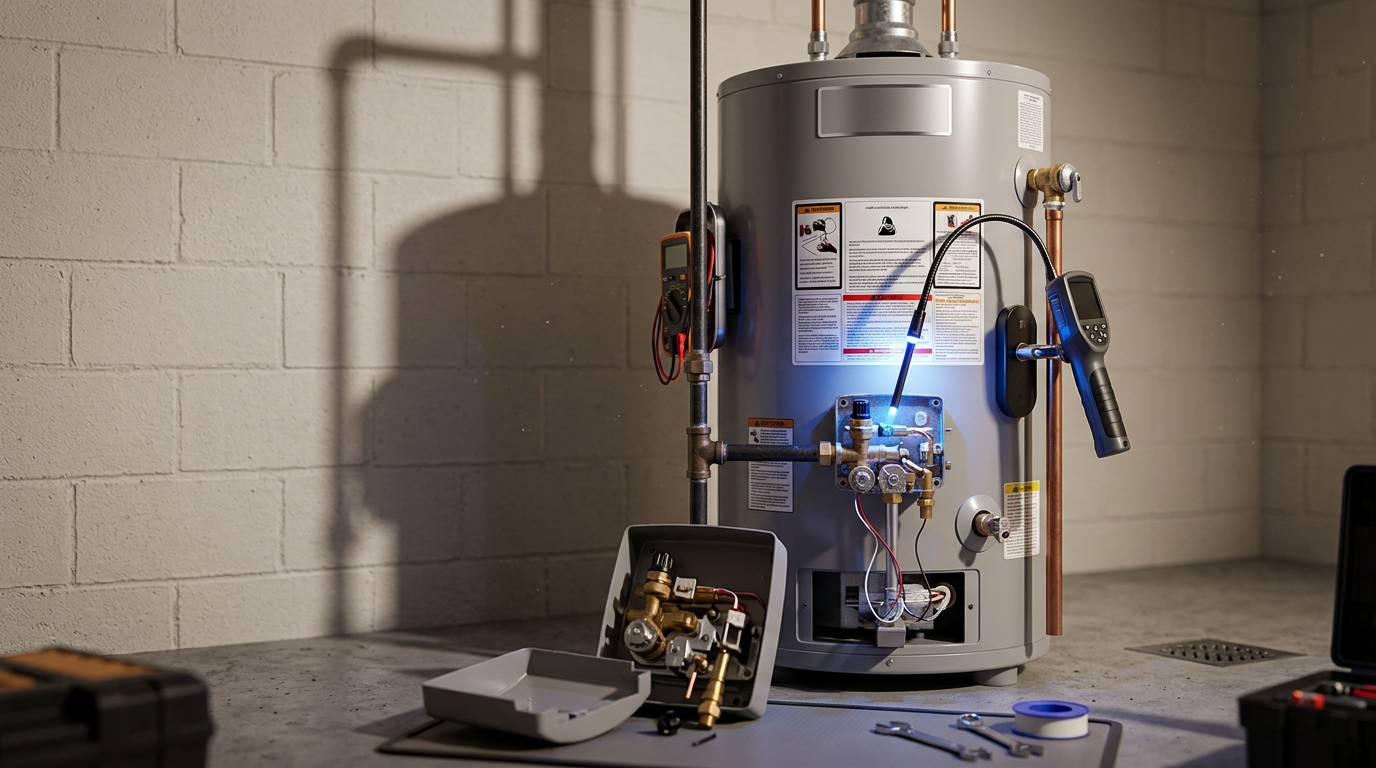
Fast Water Heater Repair in Westland When You Need It Most
Cold water at 6 a.m. A puddle forming near your tank. These aren't problems that wait. Westland homeowners deal with water heater failures year-round, and fast service makes the difference between a quick fix and a flooded basement. That's exactly what we show up ready to handle.
Warning Signs Your Water Heater Needs Repair in Westland
You turn on the shower and wait. And wait. The water stays lukewarm, or it swings from cold to scalding without warning. That's not normal. That's your water heater telling you something's wrong.
We get calls like this every week from homeowners across Westland. Most people don't think about their water heater until it stops doing its job. But the signs usually show up well before a full breakdown. You just have to know what to look for.
Discolored water is a big one. If your hot water comes out rusty or has a brownish tint, sediment has likely built up inside the tank. Older homes in the Norwayne neighborhood deal with this a lot because of aging plumbing paired with hard water. Left alone, that sediment corrodes the tank from the inside out.
Strange noises are another red flag. Popping, cracking, or rumbling sounds coming from your tank mean mineral deposits have hardened on the heating element or along the bottom. The unit has to work harder to heat water through that buildup, which means a shorter lifespan and higher energy bills.
Then there's the stuff people overlook. A small puddle near the base of the unit. Moisture around fittings or the pressure relief valve. Nine times out of ten, a slow leak like that gets ignored until it turns into a real mess. Water damage to your basement floor or drywall can happen fast once a leak picks up speed.
Here's one most homeowners don't notice until it's too late. Your hot water runs out way faster than it used to. A tank that gave you 20 minutes of hot water now barely lasts 10. That usually points to a failing heating element or a thermostat issue, both of which are repairable if caught early.
Not sure if what you're dealing with is serious? That's actually pretty common. A lot of folks in Westland call us just to describe what they're seeing, and we can usually tell them over the phone whether it needs immediate attention or can wait a few days. The key is not ignoring it. Small problems with water heaters don't fix themselves. They just get expensive.
Common Water Heater Repairs Handled Across Westland Homes
You wake up, hop in the shower, and get hit with ice-cold water. Or maybe you notice a puddle forming around the base of your tank in the basement. We get these calls constantly, especially from older homes in the Norwayne neighborhood where the plumbing has seen decades of hard use.
So what actually goes wrong? Here's what we run into most often.
Faulty heating elements are probably the number one repair we handle. Electric water heaters use upper and lower elements to heat the water. When one burns out, you'll get lukewarm water at best. Most homeowners don't notice until they're stuck rinsing shampoo out with cold water. Replacing an element is a straightforward fix when you've got the right parts on the truck.
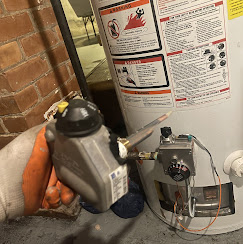
Thermostat failures come in a close second. Your water heater has a thermostat that tells the elements when to kick on. When it goes bad, the unit either won't heat at all or it overheats and trips the reset button. We see this every week in Westland. People think the whole unit is shot, but nine times out of ten it's just the thermostat.
Sediment buildup is the silent problem. Hard water minerals settle at the bottom of the tank over time. You'll hear popping or rumbling sounds, that's the water trying to push through layers of calcium and lime. Left alone, it reduces efficiency and eventually cracks the tank lining. A proper flush clears it out and buys your water heater more years of life.
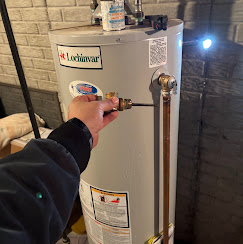
Leaking pressure relief valves are another common one. This valve is a safety device that releases pressure if the tank gets too hot. But when it starts dripping nonstop, it needs replacing before it causes water damage to your floor or walls. Consumer guidance on water heater safety and maintenance best practices consistently highlights the pressure relief valve as one of the most critical components to monitor in any home.
Then there's corroded anode rods. Think of the anode rod as a sacrificial part. It attracts corrosion so your tank doesn't rust from the inside out. Once it's eaten away, your tank is next. We pull out rods that are completely dissolved, and the homeowner had no idea it was even a thing. A quick swap protects your investment for years.
Not sure which of these problems you're dealing with? That's actually pretty common. Most people just know something isn't right. That's enough for us to start.