
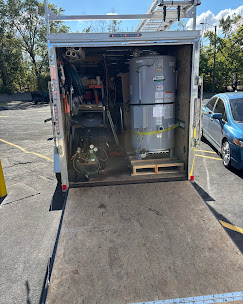
Water Heater Installation in Westland, Done Right the First Time
Getting a new water heater installed in Westland isn't complicated when you work with someone who knows what they're doing. We handle everything from the permit to the final inspection, so you're not left guessing. Whether you're replacing a failing tank or upgrading to a more efficient unit, the goal is the same: hot water when you need it, no surprises.
Signs Your Westland Home Needs a New Water Heater
You wake up, step into the shower, and the water barely gets warm. Or maybe it's hot for two minutes, then ice cold. That's the call we get more than any other from homeowners in Westland. And most people have been dealing with it for weeks before they finally pick up the phone.
Age is the biggest factor. If your water heater is over ten years old, it's living on borrowed time. We pull units out of basements near Norwayne and along Palmer Road that are pushing fifteen, even eighteen years. They still technically run. But "running" and "working well" aren't the same thing.
Here's what to watch for. Rusty water coming from the hot side of your faucet usually means the tank is corroding from the inside. Once that starts, there's no fixing it. You're on a countdown to a leak, or worse, a full tank failure flooding your utility room.
Strange noises are another dead giveaway. Popping, cracking, rumbling sounds when the burner kicks on, that's sediment buildup at the bottom of the tank. It hardens over time and makes the unit work twice as hard to heat your water. We see this every week in older Westland homes with hard water.
Puddles around the base of the unit? Don't ignore that. Even a small drip means the tank's integrity is compromised. A slow leak today becomes a burst tank tomorrow. Nine times out of ten, by the time you see water on the floor, replacement is your only real option.
Not sure if what you're noticing is a repair situation or something bigger? Some signs overlap. But when you're seeing two or three issues at once, lukewarm water plus rumbling plus the unit being twelve years old, the math points one direction. The U.S. Department of Energy says water heaters lose efficiency steadily after year eight, which means you're paying more on your gas bill every month for less hot water.
You shouldn't have to guess. If something feels off, it probably is.
Choosing the Right Water Heater for a Westland Home
Most folks don't think about their water heater until they're standing in a cold shower. Then suddenly it's the most important appliance in the house. We get it. And the decision you make next matters more than you'd think.
Not every water heater fits every home. A family of five in a two-story colonial has completely different hot water demands than a retired couple in a smaller ranch. Tank or tankless? Gas or electric? These aren't just technical questions. They're lifestyle questions.
Tank water heaters store and heat a set amount of water, usually 40 to 50 gallons for most Westland households. They're reliable, straightforward, and work well when your usage is predictable. If everyone showers in the morning and you run the dishwasher at night, a standard tank unit handles that just fine.
Tankless units heat water on demand. No storage, no standby heat loss, and they're compact enough to hang on a wall in your utility closet. But they need proper gas line sizing or electrical capacity, and older homes in Westland sometimes need upgrades to support them. We always check that before recommending one.
Nine times out of ten, the biggest factor is your home's existing setup. Switching fuel types adds complexity and cost. Sticking with the same fuel type usually makes the install smoother and faster. If you've been dealing with high utility bills or inconsistent hot water, a fuel switch might be worth exploring, but we'll tell you whether it pencils out.
Not sure which direction to go? We walk through your household size, your daily hot water habits, and what your current plumbing and gas lines can support. According to the U.S. Department of Energy's water heater energy saving tips, choosing the right type and size can cut water heating costs by up to 50 percent. That's real money back in your pocket every month.
We also look at where the unit sits in your home. Basement installs are different from garage or closet installs. Venting requirements change. Clearances matter. Getting these details right from the start means fewer headaches down the road.