
Thermostat Installation & Repair in Westland: Get Your Home Comfortable Fast
If your Westland home never quite reaches the temperature you set, the thermostat is usually the first place to look. This page covers the signs of a failing thermostat, how to pick the right replacement, what our installation process looks like, common wiring problems we find in local homes, and how to keep everything running smoothly year-round.
Signs Your Westland Home Needs Thermostat Repair or Replacement
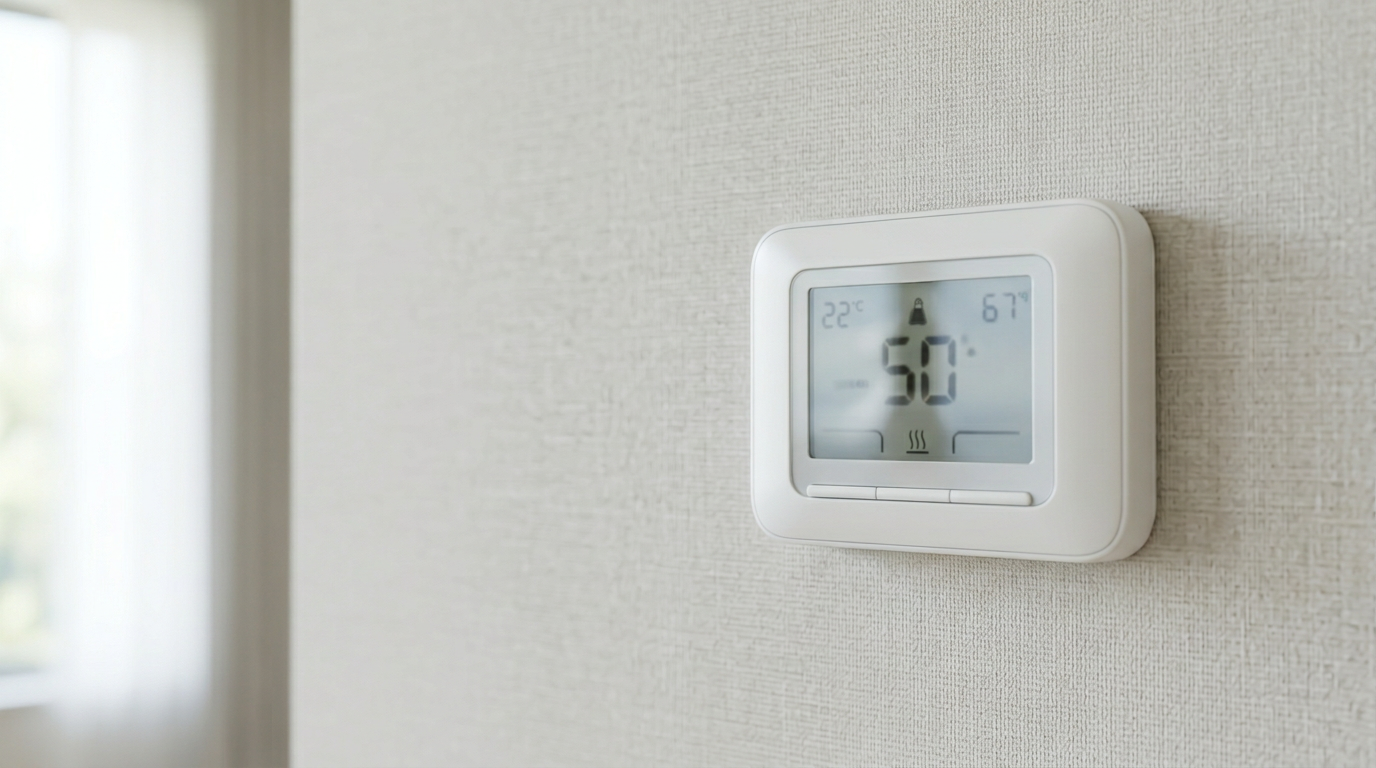
You walk past your thermostat and it says 72. But your living room feels like 65. That gap between what the screen shows and what your body feels? That's the number one reason people in Westland call us.
We get this call every week. Homeowner says the house just won't stay comfortable. They've already checked the furnace filter. They've already messed with the settings. Nothing helps. Most of the time, the thermostat is either reading the wrong temperature or it's not sending the right signal to your equipment.
Here's what to watch for. Your system short cycles, kicks on and shuts off every few minutes without actually reaching the set temperature. Or the opposite happens: it runs and runs and never stops. Both of those point straight to a thermostat problem. You might also notice rooms that feel completely different from each other, especially in older homes near the Norwayne neighborhood where the ductwork has seen better days and the thermostat can't compensate.
A blank screen is obvious. But subtle signs trip people up more. Maybe your programmable schedule stops holding. Maybe you set it to 68 at night and wake up sweating at 74. Or your system doesn't respond at all when you tap the buttons. These aren't quirks. They're your thermostat telling you it's failing.
One thing most homeowners don't notice until it's too late: higher energy bills with no change in habits. According to the U.S. Department of Energy, a properly functioning thermostat can save around 10 percent on heating and cooling costs annually. When that thermostat drifts or malfunctions, you're paying more for less comfort. And you won't see it until the bill arrives.
So if your Westland home feels off, don't start by replacing expensive equipment. Start with the thing on your wall that controls all of it.
Choosing the Right Thermostat for Your Westland Home
This is where most people get stuck. You walk into a store and see a wall of boxes. Programmable. Smart. Wi-Fi enabled. Touchscreen. It's overwhelming, and half of those options might not even work with your system.
Here's what actually matters. Your thermostat needs to match your HVAC equipment. Got a heat pump? That's a different thermostat than what you'd use with a standard furnace. Have a two-stage system or a dual-fuel setup? Same deal. We see homeowners in Westland grab something off the shelf, wire it up, and then wonder why their heat won't kick on properly. Compatibility causes that problem more often than anything else.
So let's simplify it. If you just want something that works and lets you set different temperatures for day and night, a basic programmable thermostat does the job well. You set it once and forget it. For most single-stage furnace and AC setups in older Westland homes, this is a solid, reliable choice.
Now, if you want remote control from your phone, scheduling flexibility, and energy reports, a Wi-Fi thermostat makes sense. These learn your habits over time. They can adjust when you leave for work and warm things back up before you get home. The U.S. Department of Energy outlines how programmable thermostat energy savings can reach up to 10 percent a year on heating and cooling when you set back temperatures 7 to 10 degrees for eight hours a day. A smart thermostat does that automatically.
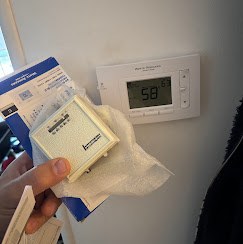
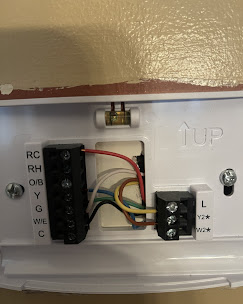
But here's the thing nobody tells you. Not every home has the right wiring for a smart thermostat. Older homes sometimes lack a common wire, called a C-wire. Without it, your new thermostat might lose power randomly or just not turn on at all. We check your wiring before recommending anything.
What do we suggest most often? It depends on your system, your daily routine, and what you actually care about. Some folks want the simplest option possible. Others want full control from their couch. Both are fine. We'll walk you through it and make sure whatever goes on your wall actually works the way it should.