
Why Westland Properties Are at Risk for Radon
You probably won't consider radon unless you are buying or selling a home. That is how it normally works in most places. But radon doesn't wait until a house is sold to get into your home.
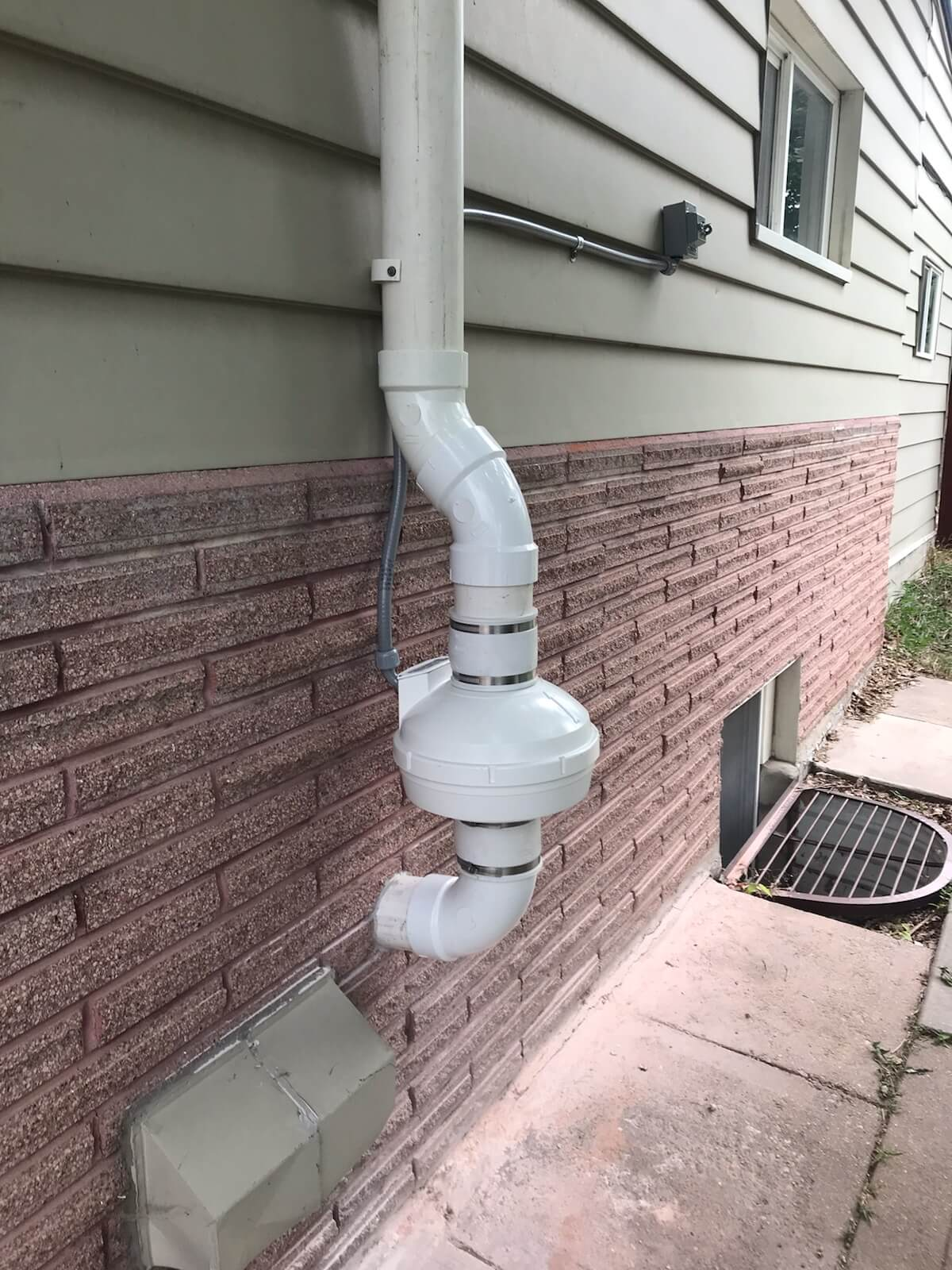
This area has its own unique geology. The soil here in Wayne County has high levels of naturally-occurring uranium, which decays into radon gas that then enters your home through the ground. EPA states any home is potentially at risk for elevated radon levels, whether it's a new build or a 50 year-old home. We get reports from homeowners near Norwayne or near Central City Park who are surprised at their radon results, thinking the levels must be good since radon was low in their neighbor's house. Radon can be high in one home and low in the next, even if they are on the same block.
Westland homes tend to be at risk due to several factors:
- Many homes here were built between the 1950s and 1970s and feature poured concrete or masonry foundations that naturally develop hairline cracks as they age
- Radon levels will always be higher in a basement (and most Westland homes feature a basement)
- Michigan's freeze-thaw cycles contribute to the shifting of ground soil, providing new and varied paths into the home
- Pumps and other equipment in a sump pit are often the pathway for radon entry into the home
In fact, radon is the second leading cause of lung cancer in this country (behind cigarette smoking) and can't be detected by smell, sight or taste, making testing the only option. The Michigan Indoor Radon Program provides guidance specific to our state's radon risk zones and testing requirements.
We've inspected homes that have been lived in for a decade or more without anyone checking for radon. In almost every case the levels come back elevated, sometimes two, three or more times the action level. No, it's not a coincidence, but neither is it a prediction for you home specifically. We don't know where the radon comes from, nor can for sure until you test it. The geology of our area is what it is and isn't likely to change, which means your home is potentially vulnerable unless you have it tested.
Professional Radon Testing: How it Works
There is often a perception that testing a house is more difficult than it is, and the process can actually be quite detailed. This distinction will make the difference between a radon test that means something and one you can disregard.
Typically here is how a radon test will go for our customers in Westland:
- **Pre-Inspection. **At least 12 hours before our arrival, close all windows and doors, although normal opening is acceptable during the 12 hour time frame to maintain near-actual living conditions during testing
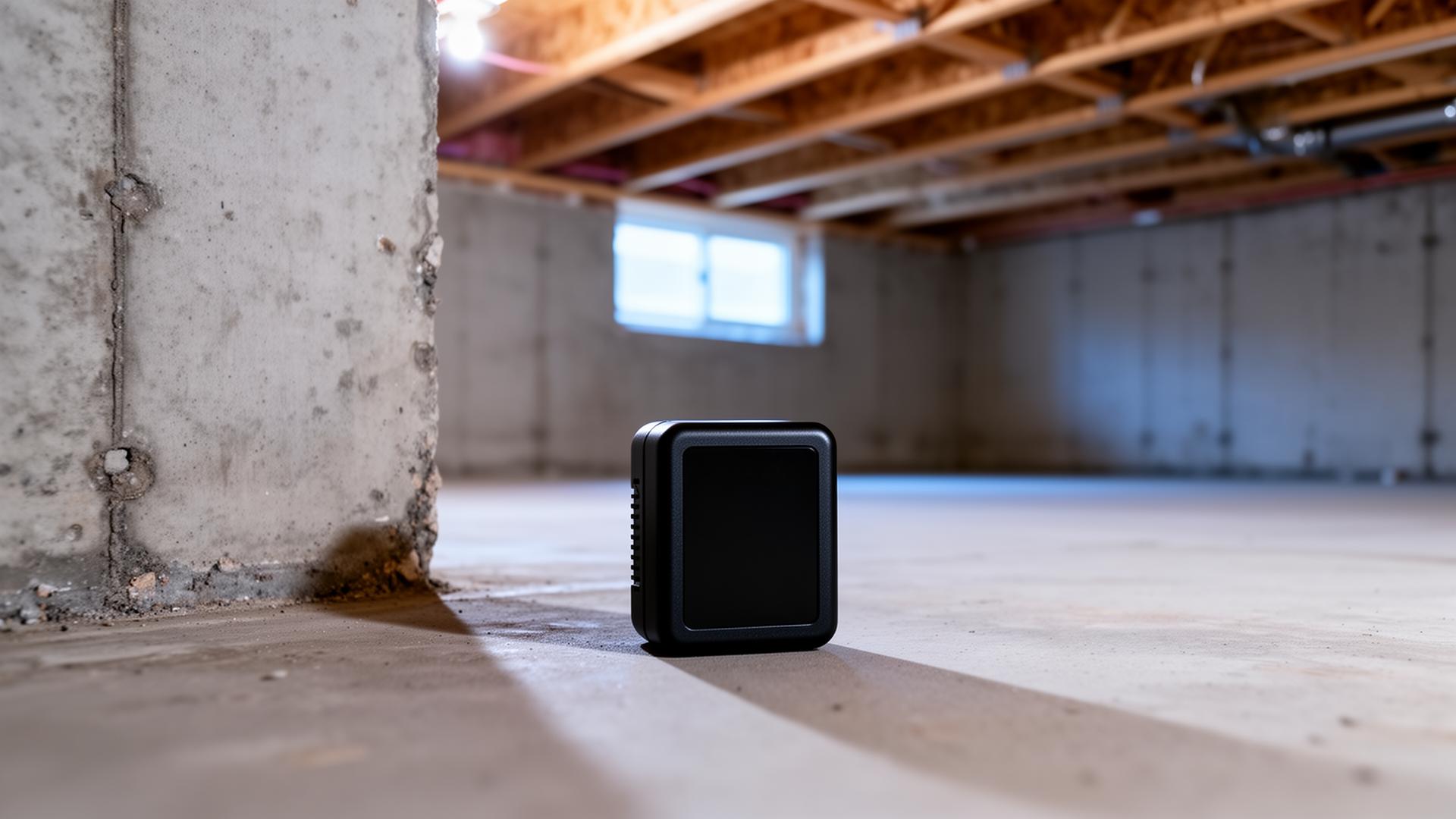
- Location of the testing device. We place the radon monitoring device in the lowest livable area, normally the basement. In the event that you have a finished basement or lower level close to Norwayne or in any other area of the town, that is where the focus will be. Breathing level and distance from sources of drafts and humidity will dictate where it rests.
- Testing device will run for 48 hours minimum. The monitor takes a measurement hourly. With a minimum of 2 days we get a good picture of the changes from day to night. We get a lot of calls about it; a lot of people want a fast answer, yet that a short duration testing period gives less information.
- Monitoring data will be reviewed. Before your report is generated, we will first look at the hourly data after we have pulled the monitor. Peaks, valleys, and averages. We see Westland basements reading 2.0 pCi/L during the day and climbing past 6.0 pCi/L at night. The average would have still placed you over the action level.
- Report generated and delivered. You'll get a straightforward interpretation. No complicated graphs, just a read-out of the average and peak level and what that means for your home.
The EPA's action level for radon is 4.0 pCi/L or higher.
We see a pattern here. People buy a kit at a hardware store, put it in the wrong place, and think they are done. 90% of the time, they put the device near a drafty window or the sump pit. A test placed in an incorrect location yields an incorrect result. It is that basic.
The radon monitoring equipment that our professional staff use has the capability to log the test results continuously. There is no comparable home testing kit that does that. It will not show the same kind of radon levels when just one measurement is taken. The levels do not stay stable. They change with barometric pressure, soil moisture changes, the furnace cycle on and off.
If someone asks why they do not test themselves, we do not scoff. We merely explain what the readings should look like in order to make a confident determination.