Why Pilot Lights Go Out in Westland Homes
You walk down to the basement and notice the furnace isn't running. Or maybe you turn on the hot water and it stays cold. You check the unit and the little blue flame is gone. This is the most common call we get from homeowners in Westland, especially once temperatures start dropping in October.
So what actually causes it?
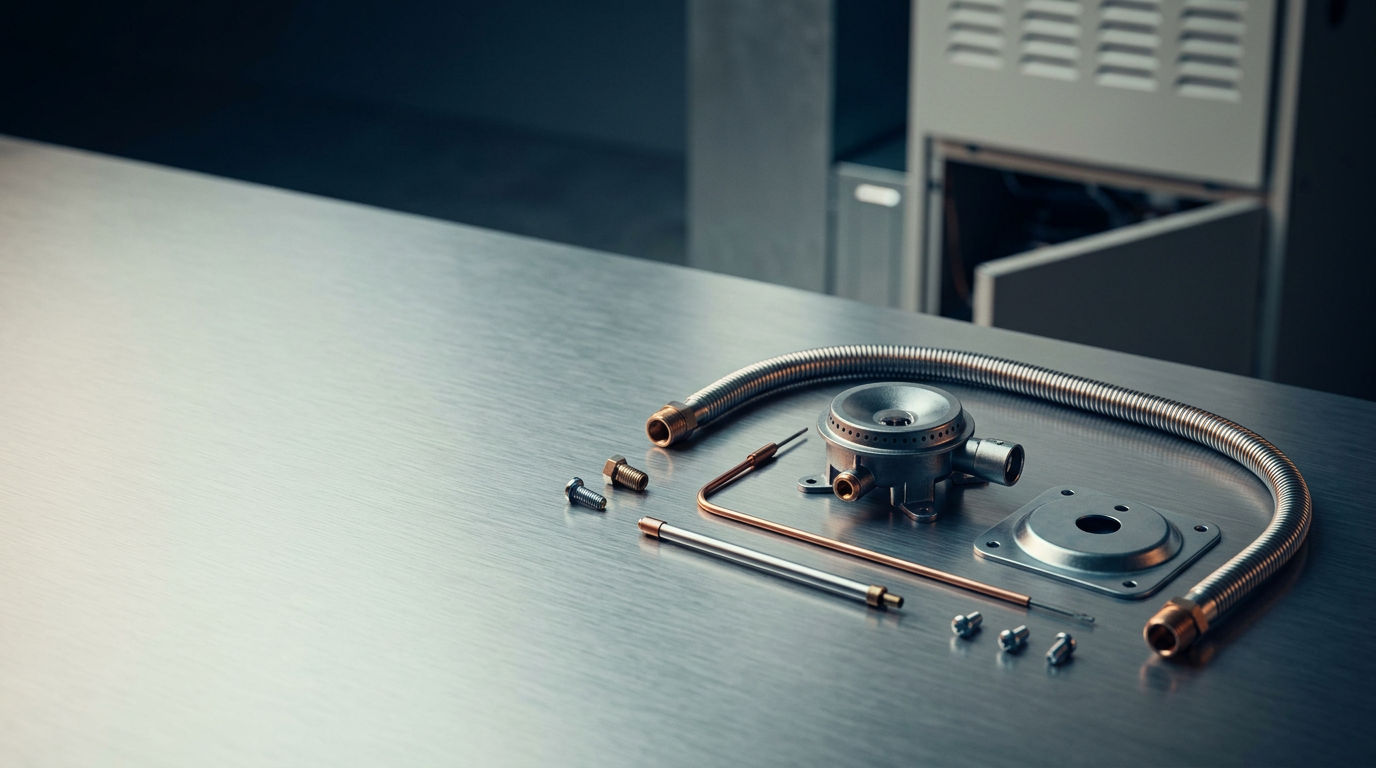
The number one reason is a bad thermocouple. That's a small sensor right next to the pilot flame. Its whole job is to detect heat and tell the gas valve to stay open. When it wears out or gets coated in residue, it can't sense the flame anymore and the gas valve shuts off as a safety measure. We replace thermocouples almost every day. Nine times out of ten, that's the fix.
Drafts are another big one. Older homes near Norwayne often have basement windows that don't seal tight. Even a small gap lets enough air in to blow out a pilot light. Same thing happens if your furnace is near an exterior door or a dryer vent. The flame is tiny. It doesn't take much wind to kill it.
Dirty pilot orifices cause problems too. The orifice is the small opening where gas comes out to feed the flame. Over years, dust and debris build up inside it. The gas flow gets restricted, and the flame shrinks until it can't stay lit on its own. We clean these out during every pilot light repair, but most homeowners don't even know the part exists until there's a problem.
Gas supply issues are less common but worth mentioning. A partially closed gas valve, a kinked flex line, or low pressure from the utility side can starve the pilot. We've seen this happen after DTE does work on the street and pressure fluctuates for a day or two.
Then there's plain old age. If your furnace or water heater is fifteen years old or more, the ignition components are just tired. Metals corrode. Connections loosen. Parts that worked fine for a decade start failing because they've done their job long enough. Most Westland homes we visit have equipment in that range, so worn components are something we see constantly.
One thing people don't always realize is that a pilot light going out isn't random bad luck. There's always a reason. And that reason usually gets worse if you ignore it. A thermocouple that's failing today will fail completely next week. A draft that blows out the pilot once will do it again the next windy night. Finding the actual cause matters more than just relighting the flame.
What to Expect When Kaiser's Heating & Cooling Arrives in Westland
You called because something's not right. Maybe the furnace won't kick on. Maybe you smell gas near the unit. Whatever brought you to the phone, here's exactly what happens next so there aren't any surprises.
Our tech shows up in a marked van with the parts we use most often already on board. We're not going to walk in and start guessing. First thing we do is talk to you. When did you first notice the problem? Has the furnace been acting strange lately? Did you hear any clicking? These details matter more than most people think. Nine times out of ten, what you describe points us right to the issue before we even open the panel.
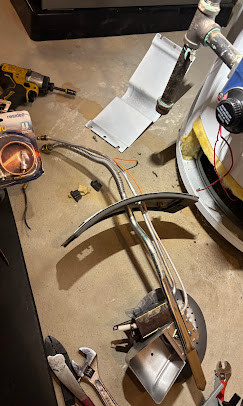
Then we get to work on the unit itself. We'll shut off the gas supply, remove the access cover, and visually inspect the pilot assembly. We're looking at the thermocouple, the gas valve, the pilot tube, and the ignition source. Each piece tells a story. A thermocouple with a green or white coating? That's corrosion, and it's probably why your flame won't hold. A pilot tube clogged with dust and debris? Common in older homes around the Norwayne neighborhood where furnaces have been running hard for decades.
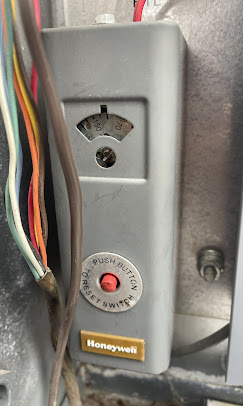
We test with proper instruments. Not a lighter and a prayer. Our techs use millivolt meters to check thermocouple output and manometers to verify gas pressure at the valve. If the thermocouple reads below 25 millivolts, it can't signal the gas valve to stay open. That's a hard number, not a judgment call. We show you the reading if you want to see it.
After we identify the failed component, we explain what needs to happen in plain English. No jargon dump. No scare tactics. Just a clear picture of the problem and the fix. Most pilot light repairs in Westland take under an hour once we've diagnosed the issue. If we need a part that's not on the van, we'll tell you exactly when we can get back, usually same day.
Before we button everything up, we relight the pilot and watch it. Not for ten seconds. We let it run through a full cycle to make sure the flame holds steady, the burners ignite properly, and the safety controls respond the way they should. We're licensed and insured, and we treat every furnace like it's in our own house.
Got questions while we're there? Ask. Want to know where your gas shutoff is or how to spot early warning signs? We'll walk you through it. That's just part of the visit.
Keeping Your Pilot Light Reliable Through Westland's Heating Season
Here's what most folks don't think about. Your pilot light worked fine all summer sitting idle, and now you're counting on it to run nonstop from October through April. That's six straight months of demand on a tiny flame that feeds your entire heating system.
We get calls about this every winter. A homeowner in the Norwayne area noticed their furnace cycling on and off too frequently. Turned out the pilot light was barely hanging on, flickering just enough to trigger the thermocouple but not enough to ignite the burners consistently. The fix wasn't complicated, but catching it early saved them from a no-heat emergency on a 15-degree night.
So what can you actually do to keep things running smooth? Start with a visual check once a month during heating season. Your pilot flame should be steady and mostly blue. If it's yellow, dancing around, or splitting into two flames, something's off. Could be a dirty orifice. Could be a draft problem. Could be the gas pressure shifting. Any of those colors or patterns tells you the same thing: call somebody before it goes out completely.
Keep the area around your furnace clean. Dust, pet hair, and storage clutter near the unit can restrict airflow and affect how the pilot burns. We've pulled lint buildup out of pilot assemblies in Westland basements that looked like dryer vents. It happens more than you'd think, especially in older homes with open-style furnace rooms.
And don't skip your fall tune-up. A licensed tech will clean the pilot assembly, test the thermocouple response time, and check gas pressure at the valve. These aren't things most homeowners can do safely on their own. A quick inspection catches problems while they're still small.
One more thing. If your furnace sat unused all summer, run it for a full cycle before you actually need it. Turn the thermostat up a few degrees on a mild day in September or early October. Let it fire, run, and shut off normally. If the pilot struggles to light or the burners take too long to ignite, you've got time to get it fixed before the real cold hits.
Reliable heat isn't luck. It's maintenance. The pilot light is the starting point for everything your furnace does, and giving it a little attention through the season keeps your home warm and your family safe.