
Mini Split Systems in Westland: Expert Installation & Service
Mini Split Systems give Westland homeowners a flexible, efficient way to heat and cool the spaces their central system can't handle. Whether it's a bonus room, a finished basement, or a converted garage, this page covers everything you need to know about how they work, what installation looks like, and how to keep yours running right.
How Mini Split Systems Work in Westland Homes
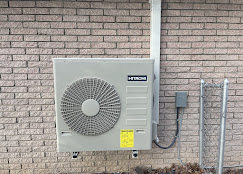
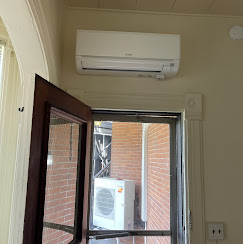
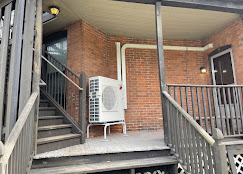
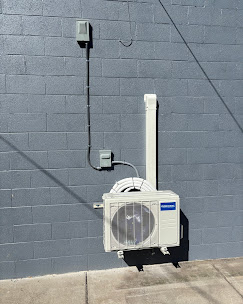
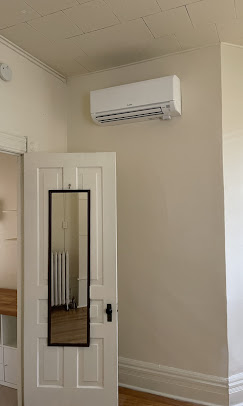
A mini split has two main parts. There's an outdoor unit that sits against your house and an indoor unit mounted on your wall. A small bundle of lines connects them through a three-inch hole in the wall. No ductwork running through your attic or crawlspace.
The outdoor unit pulls heat from the air, even in cold weather. Sounds weird, right? But refrigerant technology has come a long way. The system compresses that refrigerant, moves it inside, and releases the heat into your room. In summer, the whole process flips. Heat gets pulled out of your home and dumped outside.
We install these across Westland every week, and the thing homeowners love most is the simplicity. You pick which rooms get their own indoor unit. A bedroom. A finished basement. That bonus room above the garage that's always ten degrees off from the rest of the house. Each unit has its own thermostat, so you're only heating or cooling the spaces you actually use.
Most people don't realize how efficient this setup really is. According to the U.S. Department of Energy, duct losses in traditional forced-air systems can account for more than 30 percent of energy use. Mini splits skip that problem entirely because there are no ducts to leak.
Here's something else worth knowing. The indoor units run quiet. We're talking library-quiet. Homeowners in the Norwayne neighborhood have told us they forget the system is even on. Compare that to the furnace kicking on and rattling through old ductwork at 2 a.m.
So how does this actually feel day to day? You grab a remote, set your temp, and walk away. The system adjusts on its own using inverter technology, the compressor speeds up or slows down instead of slamming on and off. Steady comfort. Lower electric bills. No cold spots.
One more thing people ask about: the hole in the wall. It's small, it's sealed tight, and we make sure it's done right so you don't get drafts or moisture sneaking in. We've done hundreds of these installs in Westland homes built everywhere from the 1950s to last year. Every house is a little different, but the process stays clean and straightforward.
Signs Your Westland Home Is Ready for a Mini Split System
You've got that one room. Maybe it's a finished basement that feels like a cave in summer and a freezer in winter. You keep adjusting the thermostat, but nothing changes in that spot. That's the number one sign we see.
Here's what most homeowners don't realize. Your central system wasn't designed to treat every room the same. Ductwork loses energy along the way, and some rooms just end up shortchanged. If you're closing vents in one room trying to push more air to another, you're actually making things worse. We get calls like this every week in Westland.
So what should you look for? A few things stand out:
Hot and cold spots that never go away no matter what you do with the thermostat. A room addition or converted space that was never tied into your existing ductwork. Utility bills that keep climbing even though you haven't changed your habits. Or an older home where running new ductwork would mean tearing into walls and ceilings. Any of those sound familiar?
There's another one people miss. If someone in your house works from home or has a different comfort preference, a mini split lets you control that one zone without heating or cooling the whole house. It's not about replacing your furnace. It's about filling a gap your current system can't handle.
We also see a lot of older ranch-style homes around the Palmer Road area where the original system is 20-plus years old. The homeowner doesn't want to replace everything yet, but one or two rooms are just miserable. That's a textbook situation for a mini split.
Nine times out of ten, people wait way too long. They stack space heaters, run window units, pile on blankets. All of that costs more in the long run and none of it actually fixes the problem.
Not sure if this fits your situation? That's actually pretty common. Most folks just need someone to walk through the house and point out what's going on. It usually takes us about fifteen minutes to know exactly what you need.