
Kaiser's Heating & Cooling
    In-duct indoor air quality equipment with UV purification system
    5 out of 5 stars on Google

    Indoor Air Quality testing in Westland and Metro Detroit

    You wake up stuffy every morning. Your kid's allergies flare up the second they walk through the front door. Maybe you've noticed a weird musty smell near the basement stairs that won't go away no matter how much you clean. These are the things people tell us right before they book a test.

    Recent Work

    Photos from real Kaiser's jobs across Metro Detroit.

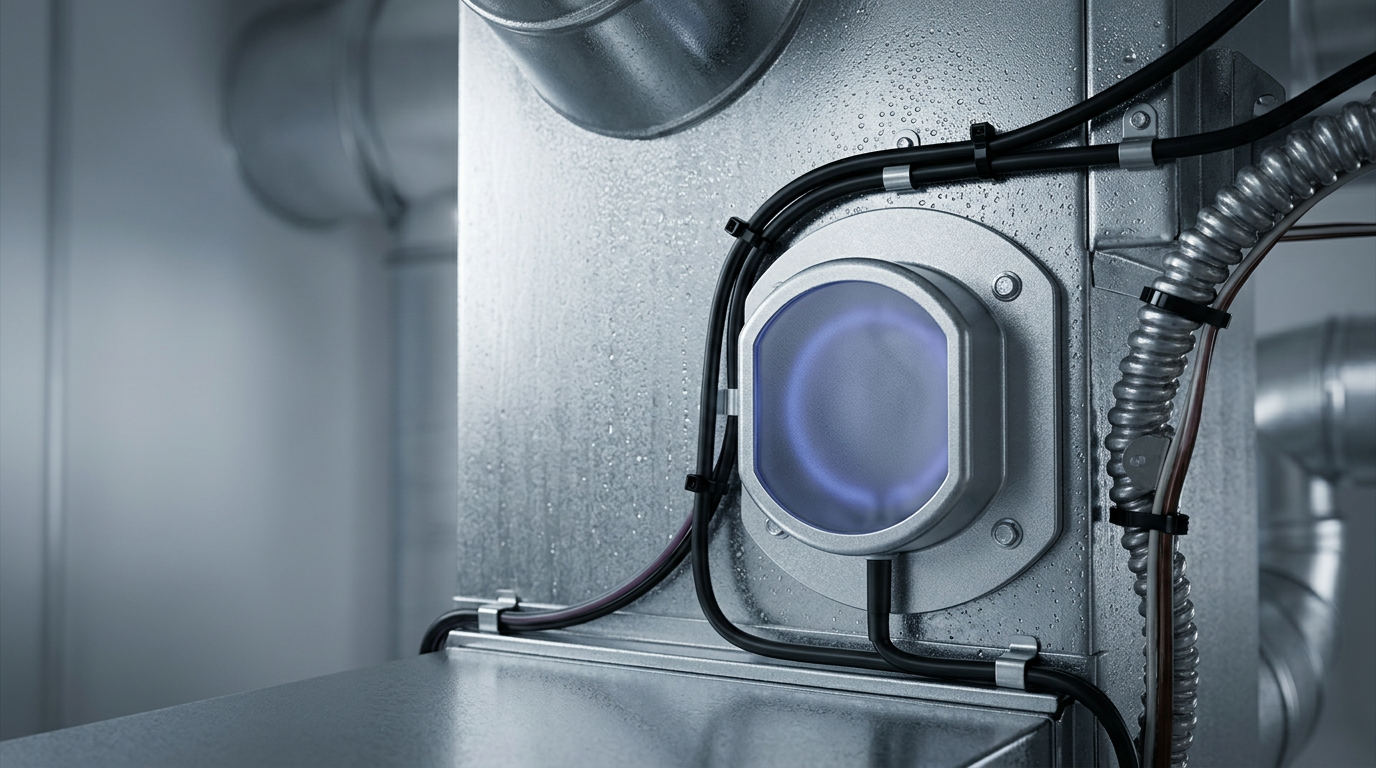
    Uv air purifier induct
    UV Aire in-duct UV light system
    Uv aire bulb closeup
    UV Aire replacement bulb
    Leak detection faucet
    Water and air-quality testing tools in use

    Need Indoor Air Quality testing? Get a Free Estimate.

    Skip the search — call now or send your details and we'll respond fast.

    Part of our AC Contractor services in Westland and Metro Detroit.

    Indoor Air Quality Testing in Westland: Know What You're Breathing

    Signs Your Westland Home Needs Indoor Air Quality Testing

    You wake up stuffy every morning. Your kid's allergies flare up the second they walk through the front door. Maybe you've noticed a weird musty smell near the basement stairs that won't go away no matter how much you clean. These are the things people tell us right before they book a test.

    Most homeowners don't notice the signs until they've been living with bad air for months. That's not a knock on anyone. It's just how it works. The changes happen slowly, so your body adjusts. Then one day you visit a friend's house and realize you can actually breathe clearly over there. That's a wake-up call.

    Here's what we see over and over again in Westland homes. Condensation building up on windows during fall and winter. Dust that comes back within a day of cleaning. Headaches that go away when you leave for work but return every evening. Respiratory issues that your doctor can't quite pin down. These aren't random problems. They're your home trying to tell you something.

    Older homes near Norwayne and the Central Westland area tend to have specific challenges. Aging ductwork, original insulation, and basements that have seen decades of Michigan moisture. We get calls from these neighborhoods constantly. Most of the time, the homeowner says the same thing: "I thought it was just allergies."

    So what should actually trigger a call? Visible mold anywhere, even a small patch. A renovation you finished recently, since drywall dust and paint fumes linger longer than people think. A musty or chemical smell you can't track down. Anyone in the house with asthma or chronic congestion. Or, if you just moved into a new-to-you home and want to know what you're breathing.

    According to the EPA, indoor air can be two to five times more polluted than the air outside. That stat surprises people, but we've seen test results that back it up firsthand.

    If even one of these signs sounds familiar, that's enough reason to find out what's actually in your air.

    What Indoor Air Quality Testing Checks in Your Home

    Questions About Indoor Air Quality testing?

    Get a free estimate or talk through your options with our team.

    Most folks in Westland call us because something feels off. Maybe you're waking up with headaches. Maybe the kids won't stop coughing. You can't see the problem, and that's exactly what makes it frustrating.

    So what do we actually test for? A lot more than you'd think.

    First, we check for mold spores. Not just visible mold on a wall. We're talking about microscopic spores floating through your air that you'd never spot on your own. Older homes near the Norwayne neighborhood deal with this constantly, especially in basements and crawl spaces where moisture sits for months.

    Then there's volatile organic compounds, VOCs for short. These come from paint, cleaning products, new carpet, even air fresheners. They build up fast in a tight house. We measure the levels and tell you exactly which ones are present. Homeowners are almost always shocked by what's coming off everyday products sitting in their cabinets.

    Carbon monoxide and carbon dioxide get checked too. CO is the silent one, no smell, no color. Your detector might not catch low-level exposure, but our equipment will. High CO2 means your home isn't getting enough fresh air exchange. That stuffy feeling you can't shake? That's usually it.

    Dust mites, pet dander, and particulate matter round out the picture. These tiny particles trigger allergies and asthma symptoms. We use particle counters to measure exactly how much is floating around your living spaces.

    We also look at humidity and temperature balance throughout the house. Too much humidity feeds mold. Too little dries out your sinuses and makes you more vulnerable to illness.

    And here's something people don't expect. We check radon levels. According to the EPA, radon is the second leading cause of lung cancer in the United States. It seeps up through foundations, and Michigan homes are at risk. The Michigan Indoor Radon Program provides guidance specific to homes in our region, and a quick test gives you a clear answer.

    Every test we run builds a complete snapshot of what you're breathing inside your home. Not guesses. Actual numbers you can act on.

    How Kaiser's Heating & Cooling Performs Air Quality Testing in Westland

    People always ask what actually happens during a test. Fair question. It's not just walking around your house with a gadget and handing you a number.

    We start with a walkthrough. Our technician checks every room, looks at your HVAC system, and asks you questions. Where do you notice symptoms? Which rooms feel stuffy? Has anything changed recently, like new flooring or a water leak? These details matter more than most folks realize. Usually, something you mention during this conversation points us right at the problem.

    After the walkthrough, we set up air sampling equipment in the areas that concern you most. We pull air samples that capture particulates, VOCs, mold spores, and other contaminants floating around your living space. Older homes just hold onto things differently than newer builds, and in Westland, where the median home was built in 1969, that's most of what we're working with.

    We also test your ductwork. Your ducts move air through every room, so if there's contamination inside them, it's spreading everywhere. We check for dust buildup, microbial growth, and any gaps where crawlspace or attic air might be leaking in. Most homeowners don't notice this until they start getting headaches or allergy flare-ups that won't quit.

    We send the samples to an accredited lab for analysis. No guesswork. You get a clear report showing exactly what's in your air and at what levels. Then we sit down with you, walk through every result, and explain what's safe and what needs attention.

    Here's what sets our process apart. We don't just test and leave. Our team cross-references your results with what we found during the HVAC inspection. A high mold spore count plus a leaking evaporator coil? That tells a story. Elevated VOCs combined with poor ventilation in a sealed-up Westland home during winter? Different story, different fix. We connect the dots so you're not stuck Googling lab results at midnight trying to figure out what they mean.

    The whole process usually takes a couple hours on-site. Lab results come back within a few days. Then we talk solutions.

    Understanding Your Air Quality Test Results

    So you've had the testing done. Now you're staring at a report full of numbers and terms that don't mean much to you. That's normal. We walk every Westland homeowner through their results because the data only matters if you know what it's telling you.

    Your report breaks down what's floating around in your air, mold spore counts, VOCs, carbon dioxide levels, humidity readings, and particulate matter. Each one gets compared against accepted safety thresholds. If a number falls in the safe range, you're good. If it's elevated, we talk about why and what to do next.

    Let's say your VOC levels come back high. More often than not, it's something straightforward. New carpet, fresh paint, cleaning products stored in a closet with no ventilation. We've seen it in homes near Westland's Tonquish Creek area where basements stay sealed up tight through winter. The fix is usually simple, but you'd never catch it without the test.

    Mold spore counts are another big one. Your report will show indoor counts versus outdoor counts. If your indoor numbers are higher than what's outside, mold is actively growing somewhere in your home. Not just passing through. We don't just hand you that number and walk away. We help you pinpoint the likely source, whether it's a damp crawl space, a leaky window frame, or ductwork that's been collecting moisture for years.

    Carbon dioxide readings tell us about ventilation. High CO2 doesn't mean you have a gas leak. It means your home isn't exchanging air well enough. You might notice headaches or that heavy, sluggish feeling in the afternoon. That's your body reacting to stale air.

    We don't drop off a report and disappear. Our team sits down with you, explains every line, and gives you a clear action plan. You'll know exactly what needs attention and what's already fine.

    Keeping Westland Indoor Air Clean After Testing

    Getting your air tested is the first step. Keeping it clean is the long game.

    We tell every homeowner in Westland the same thing after we finish a test. The results are a snapshot. What you do next decides whether your air stays healthy or slides right back to where it was. Most folks don't realize how quickly things can change, especially in older homes near the Norwayne neighborhood where ductwork has been sitting untouched for decades.

    Start with your filters. Change them every 60 to 90 days, not when you remember, not when they look dirty. Set a reminder on your phone. A clogged filter doesn't just slow your airflow. It lets dust, pet dander, and mold spores circulate through every room. We see this constantly. Someone gets a clean test result, then six months later they're calling us back because the headaches returned. Almost every time, the filter hasn't been touched.

    Humidity control matters more than people think. Westland winters are brutal, and running the furnace nonstop dries out the air. Then spring hits and basements get damp. Both extremes cause problems. Too dry and you get irritated sinuses. Too humid and mold starts growing behind walls where you can't see it. Keep indoor humidity between 30 and 50 percent. A simple hygrometer from any hardware store will tell you where you stand.

    Ventilation is the other big one. Run your bathroom exhaust fans during and after showers. Use your range hood when cooking. Open windows when the weather cooperates. Your house needs to breathe.

    Don't skip your annual HVAC maintenance. A dirty evaporator coil or a cracked heat exchanger can undo everything. Our licensed technicians catch these issues during routine checkups before they become air quality problems again. Think of it like going to the dentist, you don't just go once and call it done.

    The families who stay on top of these basics almost never need emergency retesting. They just breathe easier.

    Ready to Request an Estimate?

    Call now or send us your details — over 20 years of on-the-job experience serving Westland and Metro Detroit.

    Frequently Asked Questions

    Ready to Get Started?

    Talk with our team about your indoor air quality testing project. Over 20 years of on-the-job experience serving Westland and Metro Detroit.

    Related Services

    Call NowRequest Estimate