
Kaiser's Heating & Cooling
    5 out of 5 stars on Google

    Hybrid Heating Systems in Westland and Metro Detroit

    Westland winters don't mess around. Temperatures swing from mild afternoons to brutal overnight lows, sometimes within the same week. A hybrid heating system handles that range better than any single system can. It pairs an electric heat pump with a gas furnace and switches between them automatically based on outdoor temperature. The result is consistent comfort without burning through fuel when you don't need to.

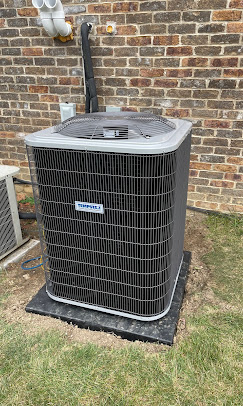
    Tempstar condenser brick

    Recent Work

    Photos from real Kaiser's jobs across Metro Detroit.

    Tempstar condenser brick
    Heat pump / hybrid system outdoor unit
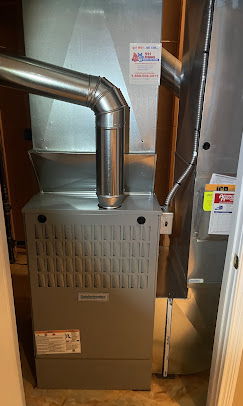
    High efficiency furnace install
    Backup high-efficiency furnace

    Need Hybrid Heating Systems? Get a Free Estimate.

    Skip the search — call now or send your details and we'll respond fast.

    Part of our Heating Contractor services in Westland and Metro Detroit.

    Hybrid Heating Systems in Westland: Smarter Comfort All Year Long

    Westland winters don't mess around. Temperatures swing from mild afternoons to brutal overnight lows, sometimes within the same week. A hybrid heating system handles that range better than any single system can. It pairs an electric heat pump with a gas furnace and switches between them automatically based on outdoor temperature. The result is consistent comfort without burning through fuel when you don't need to.

    How a Hybrid Heating System Works in a Westland Home

    Think of it as two heating systems that talk to each other. You've got an electric heat pump handling the mild days and a gas furnace kicking in when temperatures really drop. A thermostat-integration" class="text-primary no-underline hover:underline">smart thermostat decides which one runs based on the outdoor temperature. That's the whole concept.

    Here's what actually happens. On a 40-degree morning in Westland, your heat pump pulls warmth from the outside air and moves it into your home. Sounds weird, right? But there's usable heat in outdoor air down to surprisingly low temperatures. The heat pump runs on electricity, and it's incredibly efficient at this range. You're getting more heating output than the energy you're putting in.

    Now the temperature drops to 25 degrees overnight. Maybe you're over near the Norwayne neighborhood and that wind picks up off the open fields. The heat pump starts working harder. It can still run, but it's losing efficiency fast. That's when the switchover happens.

    Your thermostat hits a preset balance point, usually somewhere between 30 and 35 degrees depending on your home. The gas furnace takes over automatically. No gaps. No cold spots. You probably won't even notice the change unless you're watching the thermostat screen. The furnace burns natural gas and pushes warm air through the same ductwork the heat pump was just using.

    We get asked all the time if both systems ever run together. Short answer: yes, but only briefly during the handoff. It's not wasteful. It's designed to prevent that five-minute stretch where your house cools down during the switch.

    The real magic is in the balance point setting. Get it wrong and your gas furnace runs too much, or your heat pump struggles on nights it shouldn't. Every Westland home is different. A well-insulated ranch on a quiet street behaves nothing like a two-story colonial with big windows facing north. We set that balance point based on your actual house, not a factory default. Homeowners looking to understand how electricity costs factor into that decision can reference current residential electricity rates by state from the U.S. Energy Information Administration — because the crossover point where gas becomes cheaper than electricity varies depending on real-time energy prices. But only if the switchover point matches your home's real-world performance.

    So both systems do what they're built for. Nothing runs when it shouldn't.

    Signs Your Westland Home Is Ready for a Hybrid Heating Upgrade

    Questions About Hybrid Heating Systems?

    Get a free estimate or talk through your options with our team.

    Your furnace kicks on and it just never stops running. You hear it cycling all night. The bill shows up and you think there's a mistake. But there isn't. That's usually the first sign something needs to change.

    We get calls like this every winter from homeowners near Norwayne and throughout Westland. The story's almost always the same. The gas furnace is ten or fifteen years old. It still works, technically. But it's burning through fuel like it's got something to prove, and the house still has cold spots in the back bedrooms.

    Here's what to watch for. If your heating bills have climbed steadily over the last two or three seasons, your system is losing efficiency. That's not just wear and tear, it means the equipment is working harder to deliver less comfort. A hybrid setup would take the lighter load off the furnace entirely, letting the heat pump handle mild days while your furnace only fires up when temperatures really drop.

    Another big one? You've already replaced your air conditioner or you're about to. That's the perfect window. The outdoor heat pump unit in a hybrid system handles both heating and cooling. So if your AC is on its way out anyway, you're halfway to a hybrid conversion without even realizing it.

    Pay attention to how your home feels, not just the thermostat reading. Uneven temperatures room to room. A system that short-cycles or runs constantly. Dry air that cracks your skin by February. These aren't minor annoyances. They're your system telling you it can't keep up.

    Nine times out of ten, the homeowners we talk to in Westland have at least two of these issues happening at the same time. They just assumed it was normal. It's not.

    If your home was built before 2000 and still runs on the original furnace, or if you've noticed your neighbors switching to newer setups, it's worth a real conversation. Not a sales pitch. Just an honest look at what your home actually needs right now and what it'll need five years from now.

    What the Hybrid Heating System Installation Process Looks Like

    Most folks in Westland want to know exactly what happens on install day. Fair enough. It's your home, and you deserve to know what's coming.

    We start before we ever show up with tools. Our team does a load calculation on your house first. That means we're measuring your square footage, checking insulation levels, counting windows, and figuring out how much heating and cooling your home actually needs. Not guessing. Calculating. A system that's too big wastes energy, and one that's too small can't keep up on those brutal January nights. We get this wrong, nothing else matters.

    On install day, we protect your floors and walls before anything gets moved. Then we pull out the old equipment. If you've got an existing furnace and air conditioner, both usually come out to make room for the new hybrid setup. The heat pump goes outside, typically where your old AC condenser sat. The furnace portion goes inside, right in the same spot your old unit lived. Nine times out of ten, we can reuse your existing ductwork. If we spot a problem with your ducts, we'll tell you straight up before we go any further.

    Here's the part most people don't think about. The real work is in the controls. Your hybrid system needs a smart thermostat or control board that decides when to run the heat pump and when to switch over to the gas furnace. We set that switchover point based on your home's specific needs and the typical temperatures here in Westland. Getting that balance point dialed in is what separates a good install from a great one.

    We also handle all the electrical and gas connections, refrigerant line sets, and condensate drainage. Everything gets pressure tested and checked for leaks before we flip it on.

    The whole process usually takes one full day for a standard home. Bigger homes or tricky setups might push into a second morning. Before we leave, we run the system through every mode, heat pump heating, furnace heating, cooling, and the automatic switchover. You'll see it all work with your own eyes. And we walk you through your thermostat so you actually know how to use it. No manuals left on the counter and a wave goodbye. We make sure you're comfortable with everything before we pack up.

    Need help figuring out if your home is ready for this? Give us a call.

    How Kaiser's Heating & Cooling Verifies Your Hybrid System Is Running Right

    Installation day isn't the finish line. Not even close. The real test comes when your hybrid system faces its first cold snap or that first mild stretch where it needs to switch modes on its own. That's why we don't just install and walk away.

    Our verification process starts the moment we power everything on. We run your system through a full heating cycle in both modes. First, we let the heat pump carry the load by itself. We check airflow at every register, measure supply air temperature, and confirm the refrigerant charge is dialed in. Then we force the furnace to kick on and verify ignition timing, flame sensor readings, and exhaust venting. Most homeowners don't realize these two systems need to talk to each other perfectly. If the switchover point is off by even a few degrees, you're burning gas when you don't need to be.

    We see this every week. A system looks fine on paper but the thermostat's balance point is set wrong. Your heat pump shuts down too early and the furnace takes over when it shouldn't. That one setting can cost you real money over a Westland winter. So we test the crossover point under actual conditions, not just factory defaults.

    After the mode testing, we check static pressure in your ductwork. A hybrid system pushes air differently depending on which unit is active. If there's a restriction somewhere, maybe an undersized return on the Norwayne side of your home, it'll show up as uneven temperatures room to room. We catch that before you ever notice it.

    We also walk you through the thermostat settings before we leave. You should know what every mode means and when your system is switching. No mystery. No guessing why you hear the outdoor unit shut off at 30 degrees.

    Finally, we log baseline performance numbers. Amp draws, temperature splits, refrigerant pressures. All of it goes in your file. That way, when we come back for your first maintenance visit, we've got something to compare against. If anything has shifted, we'll spot it fast. That's how you stay ahead of problems instead of reacting to them.

    Keeping Your Hybrid Heating System Efficient Through Westland Winters

    You survived the install. Everything's running. Now what? Most homeowners in Westland don't think about their hybrid system again until something feels off. That's a mistake we see constantly.

    The biggest thing you can do is change your filters on schedule. Sounds basic, right? But a clogged filter makes your heat pump work harder than it needs to. During peak winter months, we recommend checking it every 30 days. Homes closer to the busier stretches of Wayne Road tend to pull in more road dust and debris. That stuff builds up fast.

    Keep your outdoor heat pump unit clear. Snow drifts, leaves, ice buildup, all of it chokes airflow. After a heavy Westland snowfall, take two minutes to brush off the unit and clear a couple feet around it. We get calls every January from folks whose system switched to furnace-only mode because the outdoor unit was buried under a snowbank. Simple fix, but it costs you efficiency the whole time it's blocked.

    Your thermostat settings matter more than you'd think. A lot of people crank the heat up and down all day. With a hybrid system, that constant swinging forces unnecessary switchovers between the heat pump and furnace. Set it and leave it. A programmable or smart thermostat helps here because it learns the switchover points and keeps transitions smooth.

    Schedule a professional tune-up before heating season starts. Once a year, every year. We check refrigerant levels, inspect electrical connections, clean the coils, and verify the switchover point still makes sense for current energy costs. According to the U.S. Department of Energy, regular maintenance can improve system efficiency by up to 15 percent. That's real money back in your pocket over a Westland winter.

    One more thing people overlook: leaky ducts. They waste heated air before it ever reaches your living room. Homes in the Norwayne neighborhood and older sections of Westland are especially prone to this because of aging duct systems. We can test for leaks during a maintenance visit and seal them up.

    Efficiency isn't a one-time thing. It's a habit. Small steps now save you from big repair bills later.

    Ready to Request an Estimate?

    Call now or send us your details — over 20 years of on-the-job experience serving Westland and Metro Detroit.

    Frequently Asked Questions

    Ready to Get Started?

    Talk with our team about your hybrid heating systems project. Over 20 years of on-the-job experience serving Westland and Metro Detroit.

    Related Services

    Call NowRequest Estimate