
Kaiser's Heating & Cooling
    5 out of 5 stars on Google

    Heating And Cooling Systems in Westland and Metro Detroit

    Before you pick up the phone, take five minutes to gather some basics. It saves you time, it saves us time, and it helps us show up ready to fix things on the first visit instead of needing a second trip.

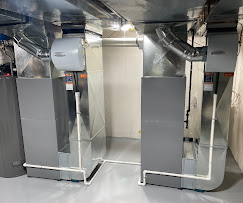
    Twin furnaces clean basement

    Recent Work

    Photos from real Kaiser's jobs across Metro Detroit.

    Twin furnaces clean basement
    Furnaces and ductwork installed by Kaiser's
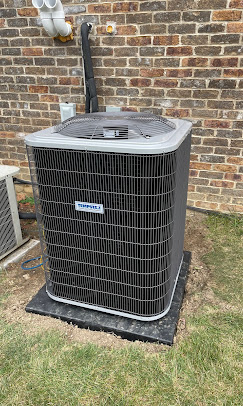
    Tempstar condenser brick
    Outdoor condenser, residential install

    Need Heating And Cooling Systems? Get a Free Estimate.

    Skip the search — call now or send your details and we'll respond fast.

    Part of our Heating Contractor services in Westland and Metro Detroit.

    Heating And Cooling Systems in Westland That Keep Your Home Comfortable Year-Round

    What Westland Homeowners Should Know Before Scheduling HVAC Service

    Before you pick up the phone, take five minutes to gather some basics. It saves you time, it saves us time, and it helps us show up ready to fix things on the first visit instead of needing a second trip.

    First, know your system type. Is it a furnace and central air combo? A heat pump? Maybe a packaged unit sitting outside? You don't need to be an expert. Just look at the equipment and jot down the brand name and any model numbers on the label. We get calls from folks in Westland who say "my heat doesn't work" but can't tell us what kind of system they have. That's fine, we'll figure it out. But if you can give us that info upfront, we're already a step ahead.

    Second, think about what you're actually experiencing. Not what you think is broken. Tell us what you notice. Is the air coming out lukewarm? Is the system cycling on and off every few minutes? Do you hear a grinding noise when it kicks on? These details matter more than you'd think. Nine times out of ten, the symptom points us right to the problem.

    Check your thermostat too. Sounds obvious, but we've driven out to homes in Westland where the fix was simply switching the thermostat from "cool" to "heat" after the seasons changed. No charge for that visit, but it's a trip nobody needed to make.

    Also, know when your system was last serviced. If it's been more than a year, mention that. If you've had recent work done by another company, let us know what they did. We're not here to judge. We just need the full picture so we can diagnose things correctly.

    One more thing. Make sure there's clear access to your equipment. Move boxes away from the furnace and clear anything blocking the outdoor unit. Our licensed technicians need room to work safely, and a cluttered utility closet slows everything down. A little prep on your end means faster answers and a quicker fix.

    How Heating And Cooling Systems Are Serviced in Westland Homes

    Questions About Heating And Cooling Systems?

    Get a free estimate or talk through your options with our team.

    Most folks call us when something feels off. The house won't cool down in July. The furnace kicks on but blows lukewarm air. Maybe there's a weird smell coming from the vents. That's usually where it starts.

    Here's what actually happens when we show up. We don't just glance at the thermostat and hand you a quote. We run through the whole system, top to bottom. That means checking the air handler, inspecting the condenser outside, testing electrical connections, measuring refrigerant levels if it's an AC issue, and pulling the furnace filter to see what's been going on in there. Nine times out of ten, the filter alone tells us a story.

    For furnaces, we check the heat exchanger for cracks. That's a safety issue, not just a comfort one. A cracked heat exchanger can leak carbon monoxide into your home. We also test the ignitor, the flame sensor, and the blower motor. A lot of Westland homes were built in the 1960s and 70s, and plenty of them still have equipment that's decades old, parts wear out in ways you can't see from the outside.

    On the cooling side, we look at the evaporator coil, clean it if it's dirty, and check the condensate drain. A clogged drain can cause water damage fast. We also measure airflow through the ductwork because a system that's running fine mechanically can still underperform if the ducts are leaking or blocked.

    We get calls like this every week. Someone says their system "works but doesn't really work." That usually means it's running but not hitting the right temperature, cycling too often, or making noise it didn't used to make. Those are signs of wear, not total failure. Catching them early saves you from a breakdown on the coldest night of the year.

    After the inspection, we walk you through what we found. Plain English. No jargon. We show you pictures if something looks concerning and explain what needs attention now versus what can wait. You make the call. Our job is to give you the full picture so you're not guessing.

    Choosing the Right Heating And Cooling System for Your Westland Property

    This is where most homeowners get stuck. You know your old system needs to go, but the options feel overwhelming. Gas furnace with central air? Heat pump? Dual fuel setup? We walk through this with folks in Westland every week, and here's what we always say first: start with your house, not the equipment.

    Your home's size matters. So does its age, insulation quality, ductwork condition, and how many windows face south. A 1,200-square-foot ranch doesn't need the same setup as a two-story colonial with a finished basement. We've seen people buy systems that are way too big for their space. That sounds like it'd be a good thing, right? It's not. An oversized unit short-cycles, it kicks on and off too fast, wears out parts quicker, and leaves you with uneven temperatures and higher bills.

    On the flip side, an undersized system runs nonstop trying to keep up. It never quite gets there.

    So we always do a proper load calculation before recommending anything. The Department of Energy is clear that correct sizing is the single most important factor in system efficiency. We take that seriously. We measure your square footage, check insulation levels, look at your windows, and factor in how your home sits on the lot. Then we give you options that actually fit.

    Fuel type is the next big decision. Most Westland homes run on natural gas for heating, and that's usually the most cost-effective choice in southeast Michigan. But if you're looking at a heat pump, the newer models handle our cold winters much better than they did even five years ago. We can talk through what makes sense for your situation and your comfort goals. Consumer Reports has tracked how homeowners evaluate heating and cooling equipment and the factors that matter most to real buyers making these decisions.

    And don't overlook your ductwork. We see it constantly. Someone invests in a brand-new system, but the ducts are leaking conditioned air into the crawlspace. That's like buying a new car and driving it with the windows down on the highway. We'll inspect your ducts and let you know if they need sealing or replacement before any install happens.

    The right system isn't the most expensive one. It's the one that fits your home and your habits. That's what we help you figure out.

    Preparing Your Westland Home for a Heating or Cooling System Installation

    So you've decided it's time for new equipment. A little prep on your end makes installation day go smoother and faster. Most homeowners don't realize how much they can do before our crew even shows up.

    First, clear the area around your furnace and air conditioner. We need about four to five feet of open space on all sides. Move storage boxes, holiday decorations, laundry baskets, whatever's piled up. You'd be surprised how often we show up to a basement and can barely reach the unit. That adds time to the job, and nobody wants that.

    Check your thermostat location too. If it's on a wall that gets direct sunlight or sits right next to a heat-producing appliance, mention it when you schedule. We can relocate it during installation so your new system reads temperatures accurately. A thermostat in a bad spot will short-cycle your equipment all day long.

    Got pets? Keep them in a separate room. We love dogs, but one running through the work zone while we're handling refrigerant lines isn't safe for anyone. Same goes for small kids. Just give us a clear path from the front door to the equipment.

    Here's something most people forget. Make sure your ductwork access points are reachable. If there's a return vent behind a couch or a supply register buried under carpet, pull that furniture back. Our technicians will inspect duct connections during install, and blocked vents slow everything down.

    Replace your air filter before we arrive. A clogged filter on day one puts unnecessary strain on brand new equipment. Start fresh.

    If your Westland home has an older electrical panel, let us know ahead of time. Some systems need a dedicated circuit or a panel upgrade. We'd rather sort that out before installation day than discover it when our guys are already on-site with equipment loaded. A quick heads-up saves everyone a headache.

    Verifying Your System Works Right After Service in Westland

    Here's something most homeowners skip. The tech leaves, and you just assume everything's good. But taking ten minutes to check a few things can save you a headache later.

    First, walk to every register in your home. Put your hand over each one. You should feel steady airflow, not weak puffs or nothing at all. If one room feels off, it doesn't always mean something's wrong with the unit. Could be a damper that got bumped or a duct connection that's loose. But you won't know unless you check. We tell every customer in Westland the same thing after we finish a job: walk the house, feel the vents, it takes five minutes.

    Next, stand by your thermostat and listen. When the system kicks on, you should hear it start up smoothly. No grinding. No clicking that repeats over and over. A single click when it fires up is normal. Rapid clicking is not. If you hear a bang or pop from the ductwork, that's usually the metal expanding, common in older Westland homes with original ductwork. But if it's loud enough to startle you, mention it next time we're out.

    Check your thermostat reading against how the house actually feels. If the screen says 72 but you're reaching for a blanket, something's not matching up. Nine times out of ten it's a sensor issue or thermostat placement. We've seen thermostats mounted right next to a supply vent, which throws off the reading completely.

    One more thing people overlook. Look at your outdoor unit if you have a heat pump or central air conditioner. Make sure nothing got bumped during service, no panels left loose, no debris sitting on top. The condensate drain should be dripping slowly when the system runs in cooling mode. A dry drain line during summer operation can mean a clog that'll cause water damage inside your home.

    Run the system for a full cycle. Let it reach the set temperature and shut off on its own, then watch it kick back on. That complete cycle tells you more than any single test. If anything feels off during those first 24 hours, call us. It's way easier to fix a small issue now than deal with a breakdown in January.

    Ready to Request an Estimate?

    Call now or send us your details — over 20 years of on-the-job experience serving Westland and Metro Detroit.

    Frequently Asked Questions

    Ready to Get Started?

    Talk with our team about your heating and cooling systems project. Over 20 years of on-the-job experience serving Westland and Metro Detroit.

    Related Services

    Call NowRequest Estimate