
Kaiser's Heating & Cooling
    5 out of 5 stars on Google

    Gas Fireplace Installation in Westland and Metro Detroit

    Most folks picture a fireplace and think it's just a box that sits in a wall. There's a lot more going on behind the scenes. Gas fireplace installation in Westland covers several steps, and each one matters if you want a unit that runs safe and efficient for years.

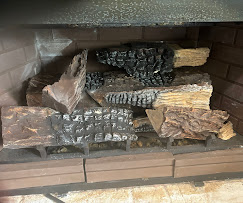
    Gas fireplace logs

    Recent Work

    Photos from real Kaiser's jobs across Metro Detroit.

    Gas fireplace logs
    Gas fireplace insert with log set and burner

    Need Gas Fireplace Installation? Get a Free Estimate.

    Skip the search — call now or send your details and we'll respond fast.

    Part of our Heating Contractor services in Westland and Metro Detroit.

    Gas Fireplace Installation in Westland: Warm Your Home the Right Way

    What Gas Fireplace Installation Involves in Westland Homes

    Most folks picture a fireplace and think it's just a box that sits in a wall. There's a lot more going on behind the scenes. Gas fireplace installation in Westland covers several steps, and each one matters if you want a unit that runs safe and efficient for years.

    First, we figure out where the fireplace goes. That sounds simple, but it's not. We're looking at your home's layout, the wall structure, and how close everything is to combustible materials. Older homes near Norwayne sometimes have plaster walls and unusual framing that need extra attention. Newer builds off Central City Parkway might have open floor plans that change how we route the venting. Every house is different.

    Then there's the gas line. If you don't already have a gas line running to the spot you want, we'll need to extend one. That means working with your existing supply, making sure the line is sized right, and testing every connection for leaks. We pressure-test every job. No exceptions. A loose fitting behind drywall isn't something you want to discover later.

    Venting is the part most homeowners don't think about. Direct vent units pull fresh air from outside and push exhaust back out through the same wall or roof penetration. That means we're cutting through exterior walls, sealing everything against moisture, and making sure the vent termination meets clearance codes. In Westland, we deal with a lot of brick and vinyl siding, and each material needs a slightly different approach to keep the seal tight.

    We also handle the electrical connection. Your fireplace needs power for the blower fan, ignition system, and any remote or thermostat controls. It's low voltage work, but it still has to be done right.

    Once everything is connected, we do a full system startup. We check the flame pattern, verify the pilot assembly, test the blower, and make sure the thermostat talks to the unit the way it should. We get calls every winter from people whose installer skipped this step. The unit "worked" on day one but started acting up a month later. That's what happens when you rush the finish.

    The whole process usually takes one day for a straightforward install. If we're running a new gas line or dealing with tricky venting, it might stretch into two. Either way, you'll know the full scope before we start.

    Choosing the Right Gas Fireplace Type for Your Westland Space

    Questions About Gas Fireplace Installation?

    Get a free estimate or talk through your options with our team.

    Most folks call us already feeling overwhelmed. They've been looking online for an hour, seen a dozen different styles, and now they're not sure what actually fits their home. Totally normal. Let's simplify it.

    There are three main types you'll pick from: direct vent, vent-free, and gas inserts. Each one solves a different problem, and the right choice depends on your room, your existing setup, and what you're actually trying to get out of it.

    Direct vent units are what we install most often. They pull outside air in for combustion and push exhaust back out through a sealed vent. No indoor air quality issues. They work great in living rooms, basements, even bedrooms. If you're adding a fireplace where there wasn't one before, this is usually the way to go. Homes in the Norwayne neighborhood with older layouts work well with these because they don't need a traditional chimney.

    Vent-free models don't need any exterior venting at all. Sounds convenient, and it is. But there are trade-offs. They add moisture to your indoor air. In a tight, well-insulated home, that can mean foggy windows and humidity problems if the room's too small. We recommend these mainly for larger, well-ventilated spaces like open-concept great rooms or finished garages.

    Then there's the gas insert. Already have an old wood-burning fireplace that you never use? Nine times out of ten, an insert is your move. It slides right into the existing firebox and uses your current chimney with a new liner. You keep the look you love but get real, consistent heat instead of watching it all float up the flue.

    Here's what most people don't think about. Room size matters more than style preference. A unit that's too powerful for a small den will cook you out of there in twenty minutes. Too small for an open floor plan and you'll barely feel it. We measure the space, check your gas line capacity, and factor in ceiling height before recommending anything.

    Not sure which direction makes sense for your situation? Give us a call and we'll walk through it together.

    How to Prepare Your Westland Home Before Installation Day

    A little prep work on your end makes a huge difference. It keeps the job on schedule and helps our crew get in, get set up, and get your fireplace running without delays.

    First, clear the area. We need about six feet of open space around where the unit's going in. Move furniture, rugs, lamps, anything breakable. If it's a living room install, push everything toward the opposite wall. For basement jobs, clear out storage bins and shelving so we can access the wall and run venting without obstacles. You'd be surprised how many times we show up and spend the first thirty minutes just moving stuff around.

    Next, make sure we've got a clear path from your front door to the install location. We're carrying heavy equipment through your home. A direct-vent gas fireplace insert can weigh over 200 pounds before we even add the surround. Tight hallways, baby gates, pet crates, all of that needs to move beforehand.

    Got pets? We love dogs, but they can't be in the work area. Between the drilling, the gas line work, and the tools spread across your floor, it's a safety issue. Keep them in a separate room or with a neighbor for the day.

    Check your thermostat situation too. If you're planning to use the fireplace as a zone heating source, let us know ahead of time so we can talk through placement and how it'll work with your existing HVAC setup. Most Westland homes built in the 1970s and 80s have forced-air systems, and adding a gas fireplace changes how heat moves through your space. That's a conversation worth having before we start cutting into drywall.

    One more thing. Make sure your gas meter is accessible from the outside. Our crew needs to verify the supply line and confirm there's enough capacity for the new unit. If bushes or snow are blocking the meter, clear that out the night before. We get calls about this every winter, and it's an easy fix if you handle it early.

    Want to know if your space is ready? Give us a call and we'll walk you through it in five minutes.

    What to Expect When the Kaiser's Team Arrives in Westland

    We show up on time. That sounds simple, but you've probably dealt with contractors who don't. When our crew pulls up to your home, we're ready to work. Truck's loaded. Tools are organized. We've already reviewed your project details before we leave the shop.

    First thing we do is walk through the install area with you. We'll confirm where the unit's going, trace the venting path one more time, and double-check the gas line route. Even if we did a pre-install assessment, things change. Maybe you moved furniture around or decided you want the unit shifted six inches to the left. That's fine. We sort it out before anything gets cut or drilled.

    Then we prep the space. Drop cloths go down. We protect your floors, your walls, your furniture. We've done installs in brand-new builds near Palmer Road and in older homes closer to Norwayne where the layout's tighter and the walls need extra care. Every house is different, and we treat yours like it matters.

    The gas line work comes next. Our licensed technicians handle every connection. We run the line, secure the fittings, and pressure-test it before we even think about hooking up the fireplace. No shortcuts here. A bad gas connection isn't just a code violation. It's dangerous.

    Once the line's solid, we set the unit, connect the venting, and seal everything up. Most homeowners don't realize how much venting matters. A single gap or bad angle can push exhaust back into your living space. We check every joint, every termination point.

    After the physical install, we fire it up right in front of you. We're checking flame color, ignition response, and making sure the blower and thermostat controls work the way they should. We get calls every winter from folks whose previous installer never actually tested the system. That won't happen with us.

    Before we leave, we walk you through everything. How to light it. How to adjust the flame. What the pilot light looks like when it's healthy. You'll feel comfortable operating your new fireplace the same evening. And yeah, we clean up. You won't find a single screw on the floor.

    Keeping Your Gas Fireplace Running Safely After Installation in Westland

    Most homeowners don't think about their gas fireplace again once it's installed. That's the biggest mistake we see.

    A gas fireplace isn't like a lamp you plug in and forget. It burns fuel, produces heat, and vents combustion gases. All of that needs attention at least once a year. We recommend scheduling an annual inspection before the cold months hit. Around September or October works for most folks in Westland. That way you're not scrambling when the first freeze rolls through and you flip the switch to nothing.

    Here's what a good maintenance visit covers. We check the burner assembly for dust and debris. We inspect the thermocouple and thermopile, the parts that tell your fireplace the pilot light is actually on. We look at the venting system for blockages or corrosion. And we clean the glass panel, because that milky white film you see building up is a sign of normal combustion, but it needs to come off so you can spot real problems behind it.

    Carbon monoxide is the thing nobody wants to talk about. But we have to. A cracked heat exchanger or a blocked vent can push CO into your living space without any visible warning. The U.S. Consumer Product Safety Commission reports hundreds of CO-related deaths each year from fuel-burning appliances. Keep a working CO detector near your fireplace. Not optional.

    Between professional visits, there are simple things you can do yourself. Check that the pilot light burns blue, not yellow or orange. Listen for unusual sounds when the unit kicks on. Make sure nothing's been placed too close to the fireplace surround. We had a customer who stacked magazines right against the hearth trim. Nothing caught fire, but the heat warped the drywall behind it.

    One more thing. If you smell gas at any point, don't touch the fireplace controls. Leave the house and call your gas company immediately. Then call us. We'll get out there fast and figure out what's going on. Keeping your system safe isn't complicated. It just takes a little consistency.

    Ready to Request an Estimate?

    Call now or send us your details — over 20 years of on-the-job experience serving Westland and Metro Detroit.

    Frequently Asked Questions

    Ready to Get Started?

    Talk with our team about your gas fireplace installation project. Over 20 years of on-the-job experience serving Westland and Metro Detroit.

    Related Services

    Call NowRequest Estimate