
Kaiser's Heating & Cooling
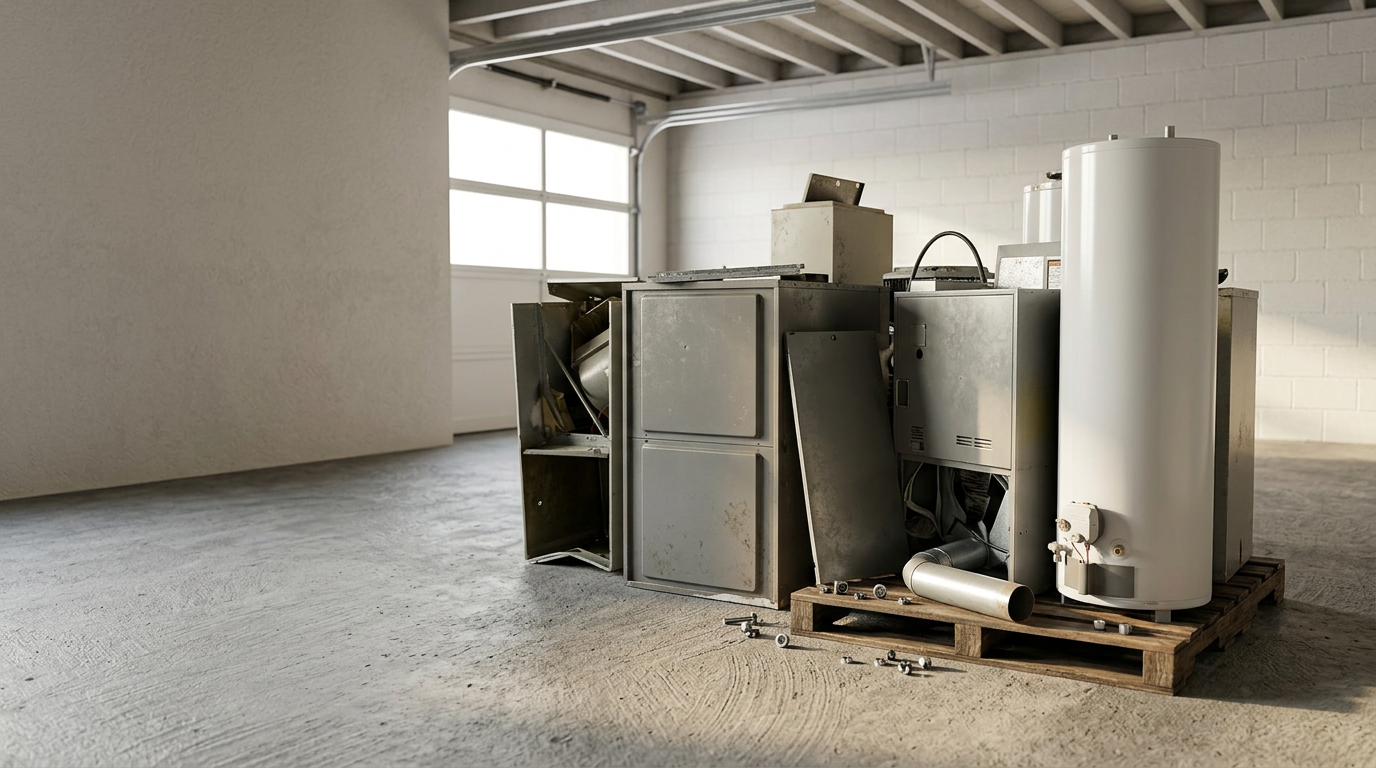
    Old furnace and water heater removed ahead of a replacement installation
    5 out of 5 stars on Google

    Furnace replacement in Westland and Metro Detroit

    You're not imagining it. The house feels colder even though the thermostat says 70. We get calls like this every winter from homeowners all over Westland, and most of the time, the furnace is telling you something.

    Recent Work

    Photos from real Kaiser's jobs across Metro Detroit.

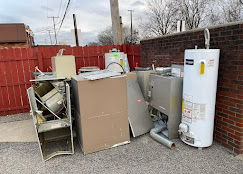
    Old equipment removal pile
    Old furnace and water heater hauled out for replacement
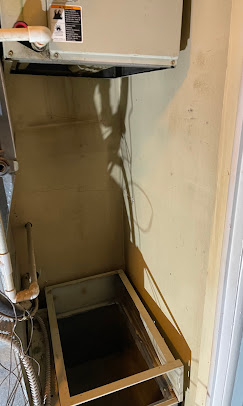
    Empty closet mid replacement
    Mid-replacement: old unit removed, ready for new install
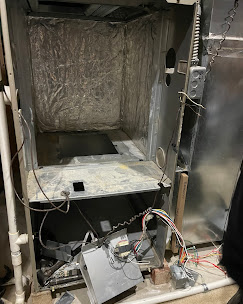
    Dirty heat exchanger pre replacement
    Why the unit needed replacing — dirty heat exchanger interior
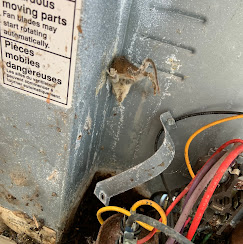
    Rusted furnace cabinet
    Rusted cabinet on a unit past its service life

    Need Furnace replacement? Get a Free Estimate.

    Skip the search — call now or send your details and we'll respond fast.

    Part of our Furnace Repair Service services in Westland and Metro Detroit.

    Furnace Replacement in Westland: Get Reliable Heat Before Winter Hits

    Signs Your Westland Home Needs a Furnace Replacement

    You're not imagining it. The house feels colder even though the thermostat says 70. We get calls like this every winter from homeowners all over Westland, and most of the time, the furnace is telling you something.

    Age is the first thing we look at. Most furnaces last 15 to 20 years, according to the U.S. Department of Energy. If yours is pushing past that range, it's not a question of if it'll fail. It's when. A lot of the homes near Norwayne and the older neighborhoods south of Cherry Hill have original or near-original equipment that's well past its expected life.

    But age alone doesn't always tell the whole story. Pay attention to what you're hearing. Banging, rattling, or a loud boom when the system kicks on, those aren't normal sounds. They usually mean something inside is cracked, loose, or worn beyond repair. A healthy furnace runs and you barely notice it. If yours sounds like it's struggling, it probably is.

    Here's one most homeowners don't notice until it's too late. Your energy bills creep up slowly over a couple of winters. You might blame the weather or rate increases. But if your gas bill jumped 20 or 30 percent compared to the same month last year, your furnace is working harder to produce less heat. That's efficiency dropping, and once it starts, it doesn't reverse.

    Uneven heating is another big one. The bedroom is freezing but the living room is fine. Or the furnace short cycles, running for a few minutes, shutting off, then starting again. That constant on-off pattern wears out components fast and never actually gets your home comfortable.

    Yellow or flickering burner flames deserve immediate attention. A healthy flame burns blue. Yellow means incomplete combustion, which can produce carbon monoxide. We've walked into Westland homes where the homeowner had no idea their heat exchanger was cracked. That's not a repair situation. That's a safety issue that calls for a full replacement.

    Frequent repairs add up too. If you've called for service two or three times in one season, you're throwing money at a system that's already telling you it's done. One repair is maintenance. Three repairs in a year is a pattern.

    Choosing the Right Replacement Furnace for Your Westland Home

    Questions About Furnace replacement?

    Get a free estimate or talk through your options with our team.

    This is where most homeowners feel stuck. You know the old furnace needs to go, but now you're staring at a dozen options and none of it makes sense. We walk people through this every day, so let me simplify it.

    First thing we look at is your home's size. Not just square footage. We're talking about ceiling height, insulation quality, how many windows you've got, and which direction your house faces. A 1,200-square-foot ranch near Central City Park heats differently than a two-story colonial with the same footprint. Get the sizing wrong and you'll either freeze or burn through energy bills for no reason.

    Then there's fuel type. Most homes in Westland run natural gas furnaces, and that's usually the smart play here. But if your home currently uses propane or electric heat, switching fuel sources adds complexity to the job. We'll tell you upfront if a fuel switch makes sense or if it's just going to cost you more without a real payoff.

    Efficiency ratings matter more than people think. You'll see numbers like 80% AFUE or 96% AFUE on spec sheets. That percentage tells you how much of your fuel actually becomes heat. The rest goes up the flue. A 96% unit keeps almost every dollar you spend on gas working for you. According to the U.S. Department of Energy, upgrading from an older 60% efficiency furnace to a high-efficiency model can cut your heating costs nearly in half. In a Michigan winter, that adds up fast.

    So how do you decide? It depends on how long you plan to stay in your home. If you're here for the long haul, a higher-efficiency unit pays for itself over time. If you're selling in a couple years, a solid mid-efficiency furnace does the job without overinvesting.

    Not sure which direction to go? Give us a call and we'll figure it out together.

    We also consider your existing ductwork. Older homes in Westland sometimes have undersized ducts that can't handle the airflow a new furnace puts out. Ignoring that creates hot and cold spots throughout the house. We check every time. In most cases the ducts are fine. But when they're not, catching it before installation saves you a headache later.

    Single-stage, two-stage, variable speed. Those terms get thrown around a lot. The short version: single-stage is on or off. Two-stage runs at a lower setting most of the time and ramps up when it's brutal outside. Variable speed adjusts constantly for the most even heat. The right choice depends on your home and your comfort expectations, not a sales pitch. If you want to compare local HVAC professionals before committing, top-rated air conditioning and heating experts in Westland can give you a second perspective on what your home actually needs.

    What to Expect When Kaiser's Heating & Cooling Replaces Your Furnace in Westland

    Most folks want to know one thing before we show up: how much of my day is this going to take? Fair question. A standard replacement in Westland usually runs between four and eight hours, start to finish. That depends on your setup, but we'll walk you through the timeline before we even load the truck.

    Here's how it goes.

    Our crew arrives and lays down drop cloths from the front door to your utility area. We protect your floors, your walls, and anything nearby. Then we shut off gas and power to the old unit, disconnect the flue, and carefully remove it. If your furnace is down in a tight basement or tucked in a closet on the main floor, we've dealt with both a hundred times. Tight spaces don't slow us down the way they might slow someone less experienced.

    Once the old unit's out, we inspect your ductwork connections, the gas line, and the electrical supply. We often find something that needs attention. Maybe the existing flue pipe doesn't match the new furnace specs. Maybe there's a return air gap that's been leaking conditioned air for years. We handle it right there so your new system runs the way it should from day one.

    The new furnace goes in next. We secure all connections, run a fresh condensate drain if needed, and make sure the venting meets current code. Our technicians are licensed and insured, so every step follows Michigan mechanical code requirements. That matters more than people realize.

    Before we leave, we fire up the system and run a full combustion analysis. We check gas pressure, temperature rise across the heat exchanger, and airflow at your registers. You'll feel warm air coming through the vents before we pack up a single tool. We also walk you through your new thermostat settings and filter location so you're not guessing later.

    Want to know what surprises people most? How clean we leave everything. No scrap metal in the yard. No dusty boot prints down the hall. Just a quiet, working furnace and a house that's already warming up.

    How to Prepare Your Home for a Furnace Replacement Appointment

    You've made the call. Now let's make sure install day goes smooth for everyone.

    First, clear a path. Our crew needs to get from your front door to your furnace without squeezing past bikes, storage bins, or holiday decorations. Most homes in Westland have the furnace in the basement, so that means clearing the stairs and the area around the unit. We need about four to five feet of open space on all sides. Move boxes, shelving, laundry baskets, whatever's nearby. We've shown up to jobs where we literally couldn't open the furnace door because a shelf was bolted two inches in front of it. That adds time nobody wants.

    Change your thermostat to the off position the morning of the appointment. Sounds obvious, but you'd be surprised.

    If your furnace is in a utility closet or a tight mechanical room, pull out the water heater blankets, old paint cans, and anything flammable. We're going to be cutting gas lines and doing electrical work. A clean workspace keeps your home safe and helps us work faster. For folks in the Norwayne neighborhood with older bungalows, the furnace is sometimes tucked into a crawl space or a converted closet. Just give us the access you can.

    Got pets? Keep them in a separate room. We'll be going in and out of your house carrying equipment, and an open door plus a curious dog is a bad combination. Same goes for kids. The old unit is heavy and has sharp edges.

    One thing most homeowners don't think about: make sure your driveway or the area near your front entrance is accessible. We're bringing in a new furnace, ductwork connectors, venting materials, and tools. In winter, that means salting or shoveling your walkway before we arrive. We do this work across Westland all season long, and icy steps slow everything down.

    Plan for the heat to be off for several hours. Grab some extra blankets or run a space heater in the room where your family will hang out. By the end of the day, your new system will be running and you'll feel the difference.

    Want to know exactly what to expect on your install day? Give us a call and we'll walk you through it.

    Keeping Your New Furnace Running Strong Through Westland Winters

    You just invested in a new furnace. Don't let it fall apart from neglect.

    We get calls from homeowners who had a furnace installed two or three years ago and already have problems. Almost every time, it's the same story. They never changed the filter. They skipped their annual tune-up. Small stuff that snowballs into big repairs. A new furnace can last you 15 to 20 years, according to the Department of Energy, but only if you actually take care of it.

    Here's what matters most in that first year. Change your filter every 90 days. If you've got pets or someone with allergies in the house, bump that to every 60. A clogged filter makes your blower motor work overtime, and that's extra wear on parts that should last a decade.

    Schedule a professional tune-up before heating season starts. Every year. We check your burners, test your ignition system, inspect the heat exchanger, and make sure your flue is venting properly. These aren't things you can eyeball from the hallway. Catching a cracked heat exchanger early is the difference between a minor fix and a dangerous situation.

    Keep your vents open and clear. Sounds obvious, right? You'd be surprised how many Westland homes we walk into where furniture is blocking half the supply registers. Your furnace is sized for your whole house. Block the airflow and you're creating hot spots, cold spots, and unnecessary strain on the system.

    Pay attention to your thermostat habits too. Programmable thermostats save energy, but wild temperature swings make your furnace cycle on and off constantly. Set it and leave it alone. A steady 68 degrees when you're home and 62 when you're sleeping works great for most families.

    One more thing most homeowners don't think about: keep the area around your furnace clean. No boxes stacked against it. No paint cans nearby. Your furnace needs airflow to operate safely, and storing things too close creates a fire risk. We've seen it more times than we'd like.

    Take care of the basics and your new furnace will take care of you. Skip them, and you'll be calling us way sooner than you should.

    Ready to Request an Estimate?

    Call now or send us your details — over 20 years of on-the-job experience serving Westland and Metro Detroit.

    Frequently Asked Questions

    Ready to Get Started?

    Talk with our team about your furnace replacement project. Over 20 years of on-the-job experience serving Westland and Metro Detroit.

    Related Services

    Call NowRequest Estimate