
Furnace Inspection in Westland: Know Your System Before Winter Hits
Most homeowners in Westland don't think about their furnace until something goes wrong. By then, it's usually the coldest night of the year and the repair costs more than it should. Getting a furnace inspection done before winter hits saves you money, keeps your family safe, and avoids that 2 a.m. breakdown call. This page covers what an inspection actually includes, when to schedule one, and what to watch for in between visits.
What a Furnace Inspection in Westland Actually Covers
People ask us this all the time. "What are you actually checking?" Fair question. A furnace inspection isn't just flipping the switch and saying it works. We're going through your entire system piece by piece, and there's a reason for every step.
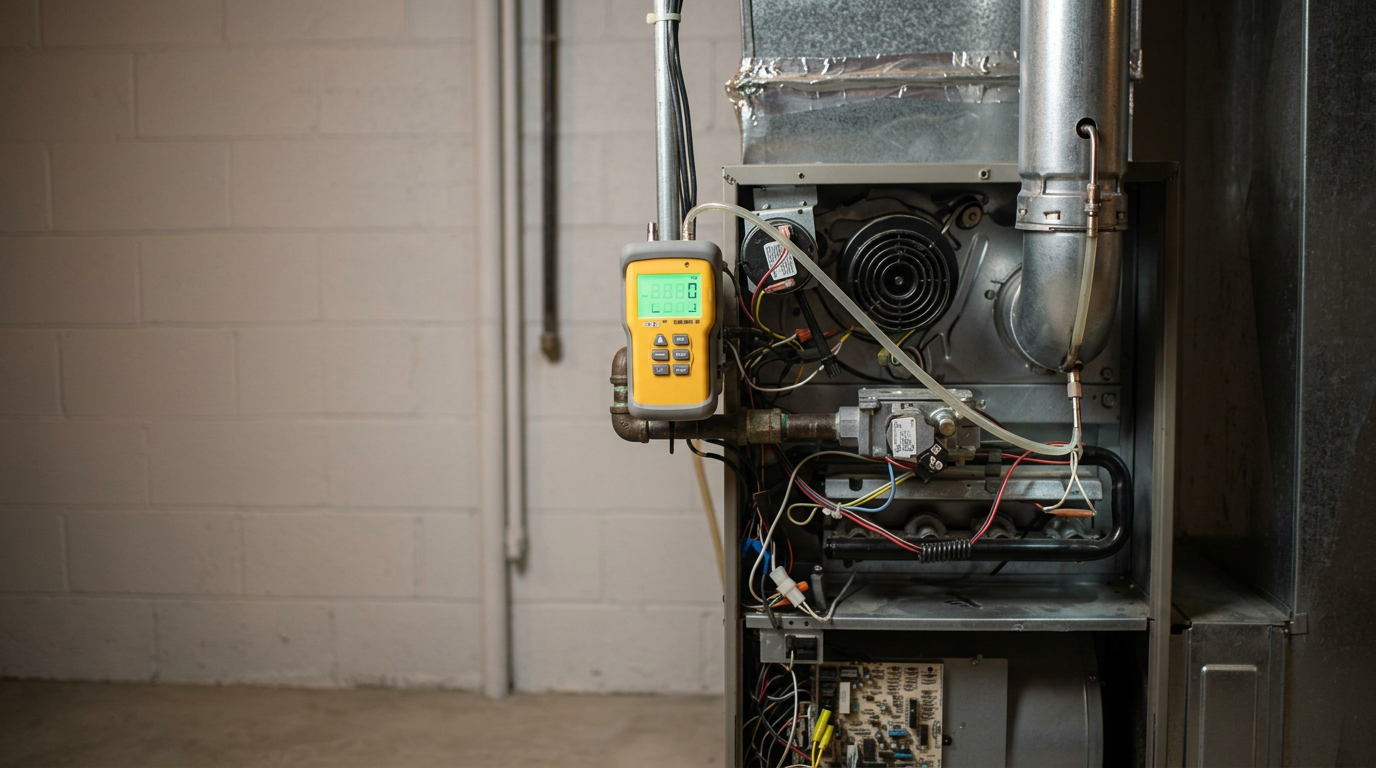
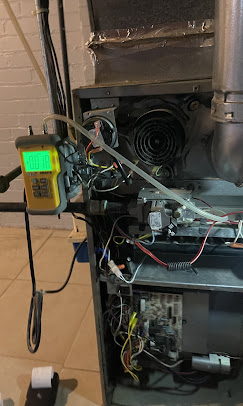
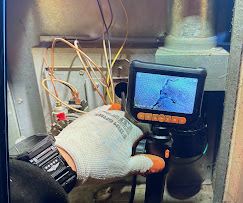
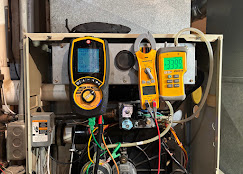
First thing we do is check your heat exchanger. This is the big one. A cracked heat exchanger can leak carbon monoxide into your home, and you'd never smell it or see it. We use a close visual inspection and sometimes a combustion analyzer to make sure there are no cracks, rust spots, or weak points. Homes here in Westland, especially older ones near the Norwayne area, tend to have furnaces that have been running hard for 15 or 20 years. Those heat exchangers don't last forever.
Then we move to the burners. We're looking at the flame color, the ignition sequence, and whether the burners are dirty or corroded. A yellow or flickering flame tells us something's off with the gas-to-air mix. Nine times out of ten, it's dust and debris clogging things up.
We also inspect the blower motor and fan assembly. If your blower is struggling, your furnace works harder and your energy bills climb. We check the belt tension on older units, lubricate moving parts, and make sure the motor isn't overheating. The electrical connections get tested too, loose wires cause intermittent shutoffs, and that's a call we get constantly once November hits.
Your thermostat calibration matters more than most people think. If it's reading two degrees off, your furnace cycles too much or not enough. We verify it's communicating correctly with the system.
Beyond that, we inspect the flue pipe and venting to confirm exhaust gases are leaving your home safely. We check the air filter, test the safety controls, and measure airflow at your registers. The U.S. Department of Energy says proper maintenance can reduce heating costs by up to 30 percent. That lines up with what we see in the field every year.
So it's not a quick glance. It's a full diagnostic. Every component that keeps you warm and safe gets attention.
Signs Your Westland Home Needs a Furnace Inspection Now
You hear a bang when the furnace kicks on. Or maybe it's more of a rattling sound that wasn't there last year. That's your furnace telling you something.
Most homeowners don't notice the warning signs until it's too late. We get calls like this every winter from folks in Westland who assumed everything was fine because heat was still coming out of the vents. Heat coming out doesn't mean safe. It doesn't mean efficient either.
Here's what to watch for. Uneven heating room to room. Your thermostat says 70 but the back bedroom feels like 60. That gap usually points to airflow problems, a failing blower motor, or ductwork issues that show up during a proper inspection. We see this constantly in the older ranch homes over near Norwayne where ductwork has been sitting untouched for decades.
Yellow or flickering pilot flames. A healthy flame burns blue. Yellow means incomplete combustion, and that can mean carbon monoxide. Not something to ignore. Not even for a day.
Strange smells matter too. A dusty smell the first time you fire up the furnace in fall? Normal. A persistent metallic or rotten egg smell after that first run? Call someone. The U.S. Consumer Product Safety Commission reports that carbon monoxide from fuel-burning appliances like furnaces sends thousands of people to emergency rooms every year. Your nose is sometimes the first detector.
Short cycling is another big one. That's when your furnace turns on, runs for a few minutes, shuts off, then starts again. Over and over. Nine times out of ten it's a dirty flame sensor or a clogged filter forcing the system to overheat and shut down as a safety measure.
Your energy bills creeping up for no clear reason? That's a sign too. A furnace losing efficiency works harder and longer to heat the same space. You pay more but feel less comfortable. We hear this from Westland homeowners all the time, especially heading into January and February when the system has been running hard for weeks.
So if any of this sounds familiar, don't wait for a breakdown on the coldest night of the year. That's the worst time to find out your furnace needed attention months ago.