
Kaiser's Heating & Cooling
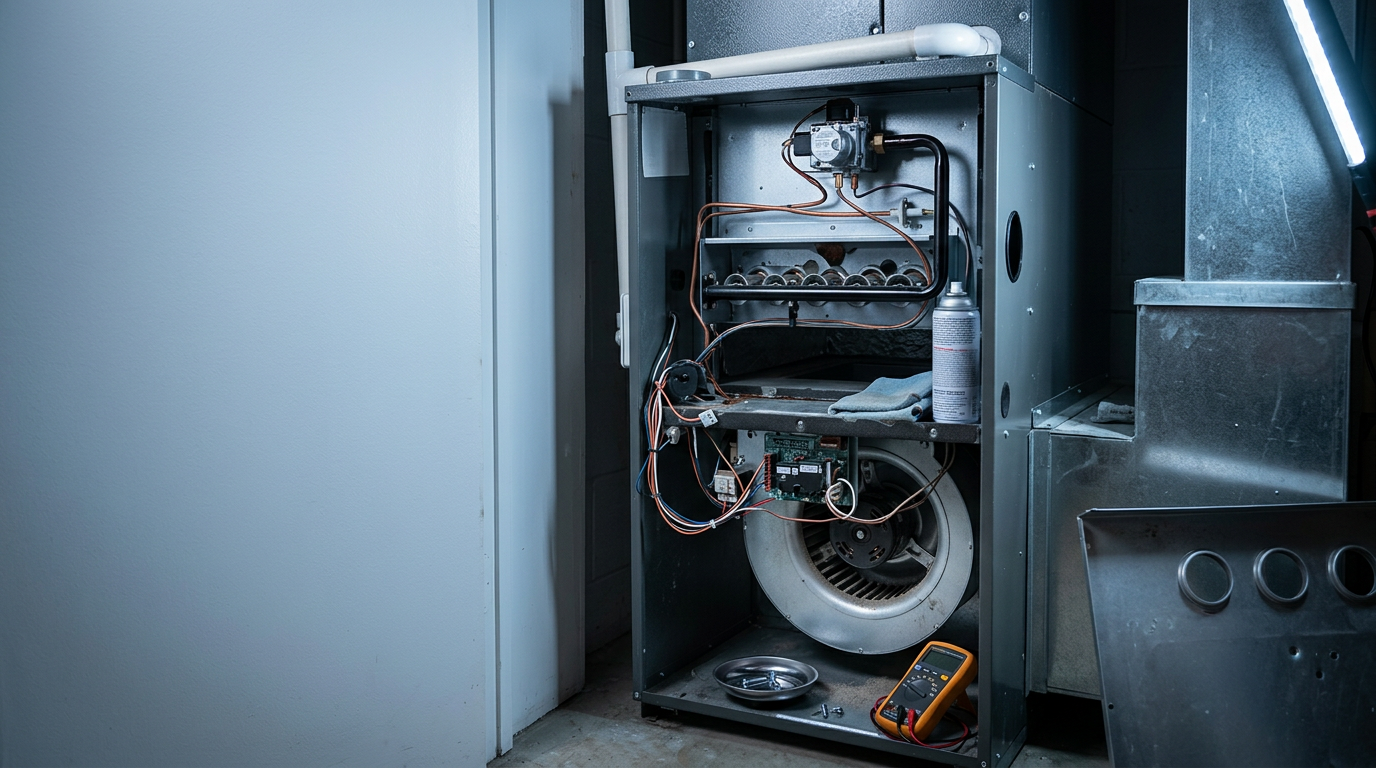
    Residential furnace cabinet open for filter access and maintenance
    5 out of 5 stars on Google

    Furnace Filter Replacement in Westland and Metro Detroit

    Your furnace talks to you. Most people just don't know how to listen.

    Recent Work

    Photos from real Kaiser's jobs across Metro Detroit.

    Furnace blower open burners
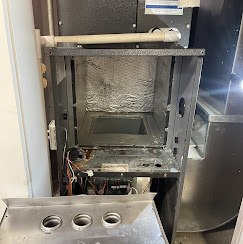
    Filter compartment access during routine service

    Need Furnace Filter Replacement? Get a Free Estimate.

    Skip the search — call now or send your details and we'll respond fast.

    Part of our Furnace Repair Service services in Westland and Metro Detroit.

    Furnace Filter Replacement in Westland: Breathe Easier This Season

    Signs Your Westland Home Is Overdue for a Furnace Filter Replacement

    Your furnace talks to you. Most people just don't know how to listen.

    The first thing you'll probably notice is dust. More of it than usual. You wipe down a shelf, and two days later it looks like you never touched it. That's not normal. A clogged filter can't trap particles anymore, so they circulate right back into your living space. We get calls like this every winter from homeowners near Norwayne who think something's wrong with their ductwork. Nine times out of ten, it's a filter that should've been swapped out weeks ago.

    Then there's the airflow. Put your hand up to a vent. Feel weak output? That's your blower motor fighting against a wall of trapped dirt. It's working harder, running longer, and burning more energy just to push air through. Your utility bill creeps up, and you can't figure out why. The filter is why.

    Weird smells are another giveaway. A musty or stale odor when the heat kicks on usually means the filter is holding moisture and debris. Some folks in Westland describe it as a dusty, burning smell. That one gets people's attention fast. It should.

    Short cycling is the big red flag. That's when your furnace turns on, runs for a few minutes, shuts off, then starts again. Over and over. The system is overheating because it can't pull enough air through a packed filter. According to the U.S. Department of Energy, a dirty filter is one of the most common causes of furnace inefficiency and system strain. Left alone, this can lead to real damage.

    Here's one most homeowners don't notice until it's too late. Uneven temperatures room to room. The bedroom feels fine but the living room won't warm up. A restricted filter starves certain zones of heat. It's not a thermostat problem. It's not your windows. It's a $10 filter doing $500 worth of damage.

    If any of this sounds familiar, your Westland home is telling you something. Don't ignore it.

    How to Choose the Right Filter for Your Westland Furnace

    Questions About Furnace Filter Replacement?

    Get a free estimate or talk through your options with our team.

    Most people grab whatever filter looks right at the store. Wrong size, wrong rating, wrong fit. Then they wonder why the house still feels dusty or the furnace keeps cycling on and off.

    Here's what actually matters. Every furnace has a specific filter size printed on the old filter or stamped inside the filter slot. You need that exact size. Not close. Exact. A filter that's even half an inch off will let unfiltered air slip around the edges, and that defeats the whole purpose. We see this constantly in older Westland homes, especially around Norwayne where a lot of the ductwork and furnace setups are original or close to it.

    Now, the MERV rating. That stands for Minimum Efficiency Reporting Value. Think of it like a grade for how well the filter catches particles. A MERV 1 catches almost nothing. A MERV 16 catches nearly everything. But higher isn't always better for your system. Most residential furnaces in Westland run with a MERV 8 to MERV 13 filter. Go too high without the right blower motor and you'll actually restrict airflow. Your furnace works harder, your energy bill climbs, and parts wear out faster.

    Got pets? Kids with allergies? Then a MERV 11 or 13 is probably your sweet spot. It'll grab pet dander, pollen, dust mites, and mold spores without choking your system. If nobody in the house has respiratory issues and you don't have animals, a MERV 8 does the job just fine.

    Thickness matters too. Some furnaces accept a 1-inch filter. Others can handle a 4-inch or even 5-inch media filter. The thicker filters last longer and hold more debris before they need swapping. But your furnace cabinet has to be built for it. You can't just shove a 4-inch filter into a 1-inch slot.

    Not sure what your system needs? Give us a call. We'll tell you the right size and rating in about two minutes.

    One more thing. Fiberglass filters are, but they're basically just there to protect the blower motor. They don't do much for your air quality. Pleated filters cost a little more and catch more particles. According to the EPA, using a properly rated pleated filter is one of the simplest ways to improve indoor air quality. For most Westland homeowners, a pleated MERV 11 is the filter we recommend nine times out of ten.

    What Happens During a Professional Furnace Filter Replacement in Westland

    Most folks think we just pop in a new filter and leave. That's only about a third of what we do.

    When our team shows up at your Westland home, we start by shutting the system down safely. Then we pull the existing filter and take a good look at it. The condition of that old filter tells us a lot. Heavy gray buildup on one side? That's normal wear. But dark, damp spots or a filter that's bowing inward? That points to airflow problems we need to address before putting in a replacement. We see this every week in older homes near Norwayne where ductwork hasn't been updated in decades.

    Next, we inspect the filter housing itself. Gaps around the frame, cracked slots, or debris buildup inside the cabinet all affect how well your new filter performs. A perfect filter in a damaged housing is basically useless. So we clean out the area, check the seal, and make sure everything fits tight.

    Then comes the new filter. We match the correct size, thickness, and MERV rating to your specific system. Too restrictive and your blower motor works overtime. Too loose and you're breathing in dust you shouldn't be. According to the U.S. Department of Energy, a properly fitted filter can reduce your system's energy consumption by five to fifteen percent. That's real money back in your pocket.

    After installation, we fire the furnace back up and watch it run. We're checking for proper airflow, listening for any whistling or rattling, and confirming the system cycles normally. Takes about five minutes, but it catches problems that would cost you hundreds later.

    Before we leave, we write the install date on the filter edge and let you know when it should be swapped again. Simple thing, but it keeps you on track. No guessing, no forgetting.

    How to Verify Your New Filter Is Working After Installation

    Sliding a new filter in is only half the job. You've got to make sure it's actually doing what it's supposed to do.

    First thing. Check the airflow direction arrow on the filter frame. It should point toward the blower motor, not away from it. We see reversed filters in Westland homes more than you'd think, probably once or twice a week during heating season. A reversed filter still catches some dust, but it breaks down faster and chokes your system. Takes two seconds to check.

    Now close the furnace panel and turn the system back on. Stand by your closest supply vent for about a minute. You should feel steady, strong airflow. If it feels weak or you hear a whistling sound near the furnace cabinet, something's off. Usually the filter isn't seated right or you've got the wrong size. Pull it out and look for gaps around the edges. A filter that's even a half inch too small lets dirty air bypass it completely.

    Here's something most homeowners don't think about. Walk over to your thermostat after about fifteen minutes. Is the system reaching your set temperature without running nonstop? Good. That means the filter isn't restricting airflow. If your furnace keeps cycling on and off quickly, that's called short cycling, and a too-restrictive filter can cause it.

    Want a quick visual test? Pull the filter out after running the system for 24 hours. You should see a light, even layer of dust starting to collect across the surface. Not clumped on one side. Not completely clean. Even coverage means air is flowing through the whole filter, which is exactly what you want.

    In the Norwayne neighborhood and other older parts of Westland, ductwork can be quirky, odd angles, older returns. So we always tell folks to check a few vents around the house, not just the one closest to the furnace. If one room feels stuffy while others are fine, the filter might not be the issue. Could be a duct problem worth looking into.

    Need us to double-check things for you? Give us a call. We're happy to take a quick look and make sure everything's running right.

    A Simple Filter Maintenance Schedule Keeps Westland Furnaces Running All Winter

    Most folks don't think about their furnace filter until something goes wrong. The house feels stuffy, the energy bill jumps, or the system just stops blowing warm air. By then, you've already been breathing dirty air for weeks. A basic schedule fixes all of that before it starts.

    Here's what we tell every homeowner in Westland. Check your filter once a month from October through March. You don't need to replace it every time. Just pull it out, hold it up to a light, and look. If you can't see light passing through, it's done. Swap it out.

    Now, "once a month" is the baseline. Your house might need more. Got pets? Two dogs shedding on the carpet in a Norwayne ranch home will clog a standard filter in three weeks flat. We see this every week during heating season. Homes with multiple pets, kids running in and out, or older ductwork burn through filters faster than average.

    Set a reminder on your phone for the first of each month. Sounds simple because it is. The homeowners who actually do this almost never call us for emergency repairs. Their systems just run. Quietly, efficiently, no surprises on the gas bill.

    One thing people get wrong is waiting until spring. Your furnace still cycles during mild stretches in late March and even April around Westland. A dirty filter sitting in there during those shoulder months puts unnecessary strain on the blower motor. Don't pack up your winter routine too early.

    We also recommend writing the install date on the filter frame with a marker. Quick, easy, and you'll never have to guess how old it is. When our team comes out for a tune-up, we check for that date first. It tells us a lot about how the system's been treated.

    Want to know if your current schedule is working? Give us a call. We can look at your setup and tell you exactly how often your filter really needs changing based on your home, your system, and how you live in it.

    Ready to Request an Estimate?

    Call now or send us your details — over 20 years of on-the-job experience serving Westland and Metro Detroit.

    Frequently Asked Questions

    Ready to Get Started?

    Talk with our team about your furnace filter replacement project. Over 20 years of on-the-job experience serving Westland and Metro Detroit.

    Related Services

    Call NowRequest Estimate