
Air Filtration Systems in Westland: Cleaner Air for Every Home
Why Westland Homes Need Strong Air Filtration
Most folks don't think about air filtration until something feels off. Maybe you're waking up congested every morning. Or there's a stale, dusty smell that won't go away no matter how much you clean. We get calls like this every week from homeowners right here in Westland.
Here's the thing. Westland sits in Wayne County, surrounded by major roads and a mix of older residential neighborhoods and commercial zones. That means more road dust, more pollen, and more airborne particles making their way into your home than you'd expect. Homes near the Norwayne neighborhood or along Ford Road deal with this constantly. Your HVAC system pulls in outside air, and without proper filtration, all that stuff just circulates through your ducts and into your lungs.
A lot of the housing stock in Westland was built between the 1950s and 1980s. Older ductwork. Older insulation. Some homes still have original returns that were never designed for today's filtration standards. So the system works harder, traps less, and your indoor air quality suffers. According to the EPA, indoor air can be two to five times more polluted than outdoor air. That number jumps even higher in homes with outdated HVAC setups.
And it's not just dust. Pet dander, mold spores, volatile organic compounds from cleaning products, even off-gassing from new furniture, all of it gets trapped inside a tight home. Michigan winters make it worse because you're sealed up for months with the furnace running nonstop.
We see families dealing with allergy flare-ups, kids with asthma symptoms that spike indoors, and older residents who just can't seem to breathe easy at home. Nine times out of ten, the existing filter is a basic fiberglass panel that catches almost nothing useful. Upgrading to a real filtration setup changes everything. You notice it within days, cleaner surfaces, fewer symptoms, and that heavy feeling in the air just disappears.
Strong filtration isn't a luxury in Westland. It's a basic need that most homes aren't meeting yet.
How to Choose the Right Air Filtration System for Your Westland Home
This is where most folks get stuck. You know you need cleaner air, but there are so many options it feels like guessing. It doesn't have to be that way.
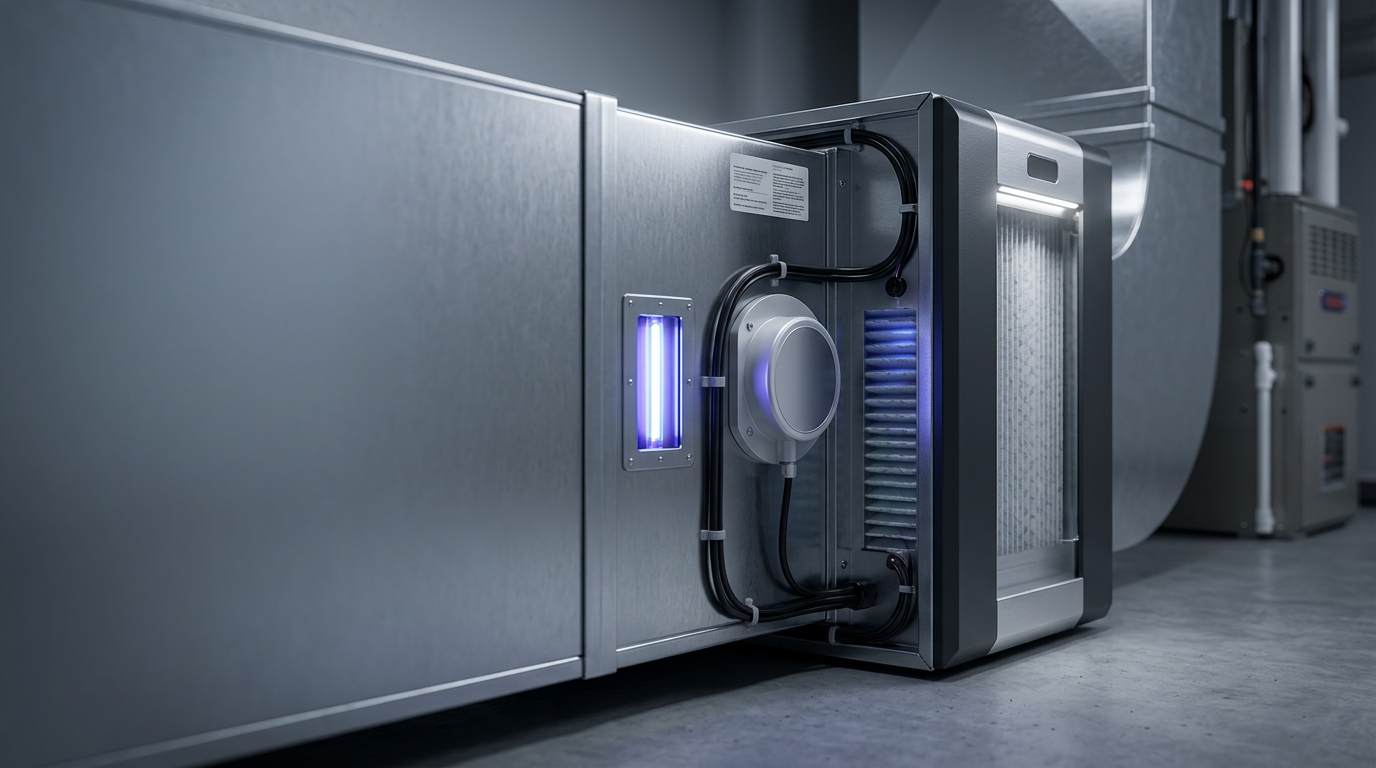
Start with the problem you're actually trying to solve. Dust buildup that won't quit no matter how often you clean? That points toward a whole-home media filter with a higher MERV rating. Allergies flaring up every spring and fall? You're probably looking at a HEPA-style system or an electronic air cleaner that can trap pollen and pet dander down to tiny particle sizes. Someone in the house dealing with asthma or a respiratory condition? Now we're talking about pairing filtration with UV germicidal lights to knock out mold spores and bacteria too.
Your home's age matters more than people think. A lot of the older homes near Norwayne and along Palmer Road have ductwork that's been there for decades. Leaky ducts or undersized returns change which system will actually work for you. We see this every week, someone installs a high-end filter on a system that can't handle the airflow restriction, and now the blower motor is working twice as hard. That's not better air. That's a repair bill waiting to happen.
So how do you avoid that? You get someone to look at what you've got first. We check your existing HVAC setup, measure static pressure, and inspect ductwork before recommending anything. The right filtration system for a 1,200-square-foot ranch in Westland is completely different from what works in a two-story colonial with a finished basement.
Think about maintenance too. Some systems need filter changes every 30 days. Others go six months to a year. Your lifestyle matters here. Got dogs? Kids tracking in dirt from the yard? You'll want something easy to maintain that won't let you down between changes. The EPA's air filters and cleaners guide is a solid resource for understanding how different filter types perform and what to look for when comparing options.
Not sure what fits your situation? Give us a call and we'll walk through it together.
The right system is the one that matches your home, your health needs, and your HVAC equipment, not the one with the flashiest marketing. A proper assessment upfront saves you headaches and money down the road.