
AC Repair near Inkster Park in Inkster
AC Repair for Inkster Homes Around the Park
Inkster Park sits on Inkster Road in the heart of the city, surrounded by residential streets that have been there since the 1940s and 50s. The homes are small, tight to each other, and the AC units in them are mostly mid-1990s through 2010 retrofits. We work this neighborhood regularly through the summer.
The most common AC repair we run in this area is a refrigerant charge issue on systems that haven't been serviced in years. The original installer sized the unit, charged it, and walked away. Twenty years later it's slowly leaked down through service valves or coil joints, and the homeowner is calling because the system runs constantly without cooling. The fix is a leak search, a repair, and a recharge — sometimes a coil replacement if the leak is bad enough.
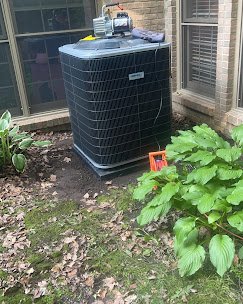
The homes south of Inkster Park, between Cherry Hill and Avondale, often have the condenser tucked into a side yard that's barely four feet wide. Those tight placements cause two problems. First, recirculation — the condenser is throwing hot air against the house and pulling it back in, raising head pressure. Second, debris buildup from neighboring trees and fences that catch leaves before they can blow away. We pull cottonwood seeds and grass clippings out of coils on most calls in this stretch.
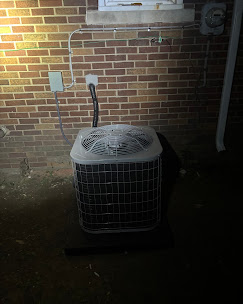
The houses north of the park near Beech Daly were built slightly later and tend to have larger yards. Those have a different problem set: outdoor units sitting on settled pads that have tilted with frost cycles, restricted airflow from overgrown landscaping, and contactor failures from years of weather exposure. The repairs are usually under an hour once we diagnose them.
One thing we see in older Inkster homes that newer builds don't share: undersized line sets between the indoor coil and the outdoor unit. When AC was retrofitted into homes that didn't originally have it, the installer sometimes used the easiest line route rather than the right size. That shows up as a system that struggles to cool on the hottest days. The fix is a line set replacement, not an equipment swap.
Most homeowners in this part of Inkster call us when the system stops cooling completely. By that point the failure is obvious. What we encourage is calling when something feels slightly off — a longer cycle than usual, a slight noise change, ice on the lines. Those are early warnings, and addressing them before the system fails saves money.
The original thermostats in many of these homes were mercury bulb units. They've been replaced multiple times. Wiring quality varies. We've seen smart thermostats wired into homes without a C-wire and the system behaves unpredictably as a result. That's an easy fix. We pull a C-wire or install a 24V adapter, and the system runs the way it should.